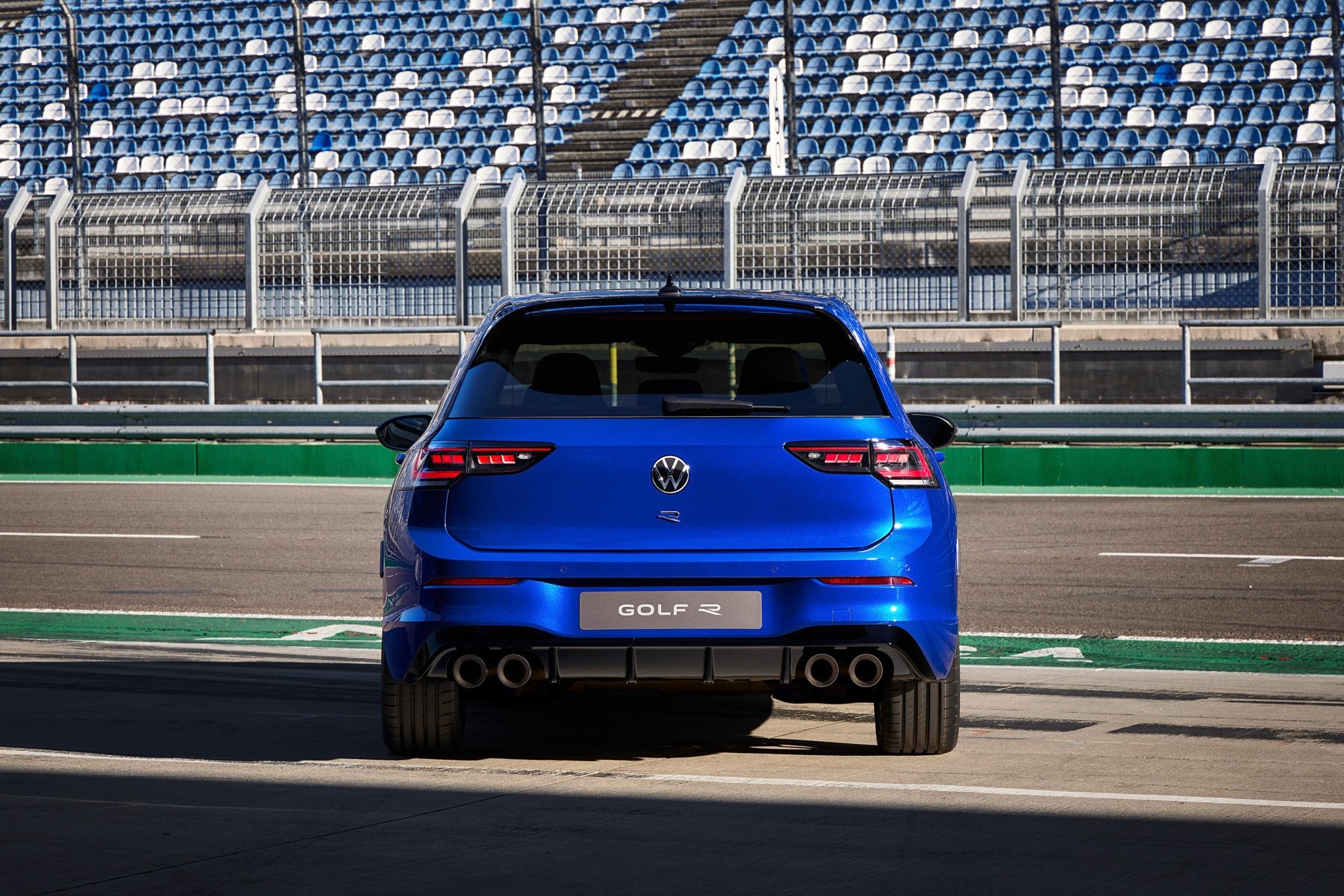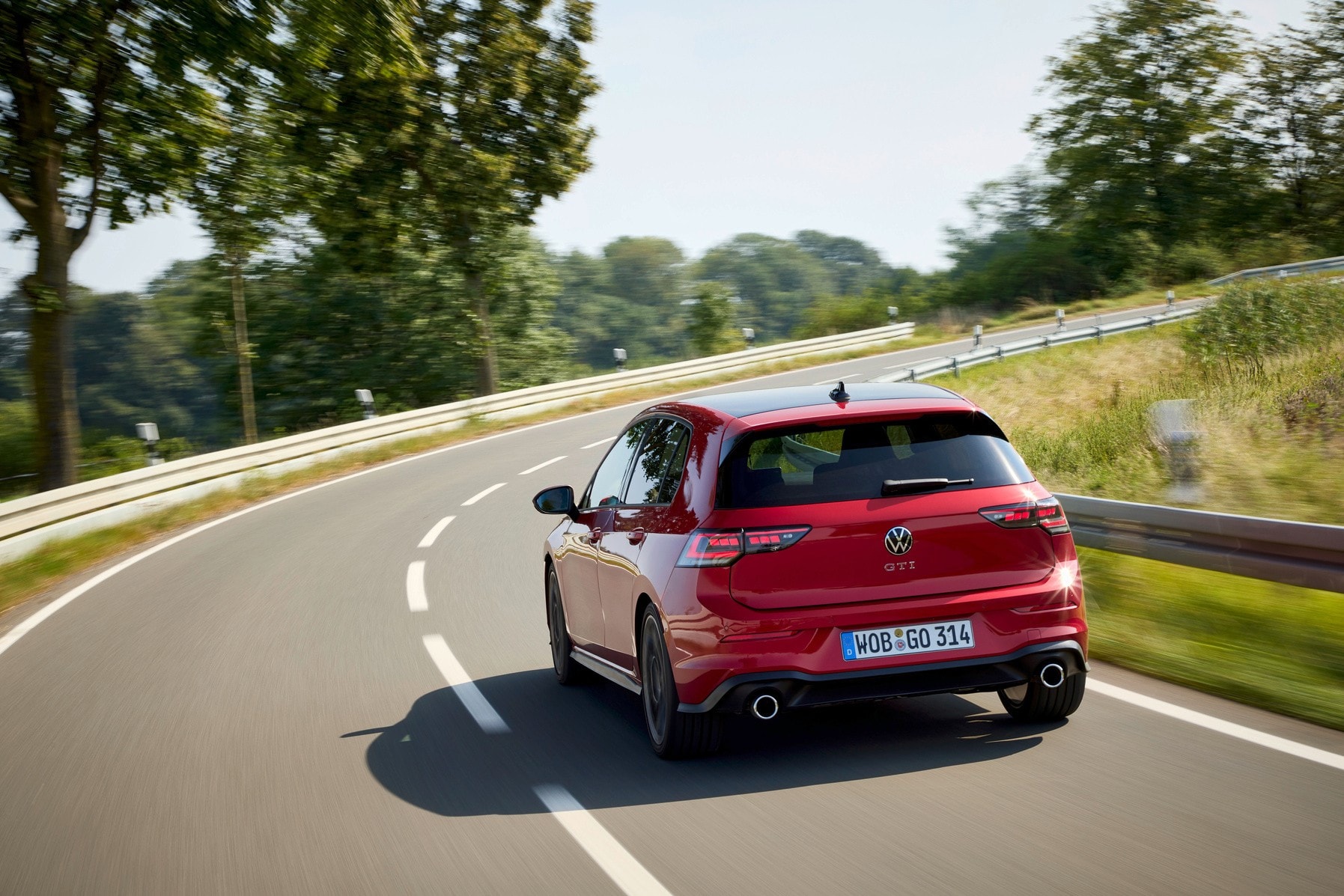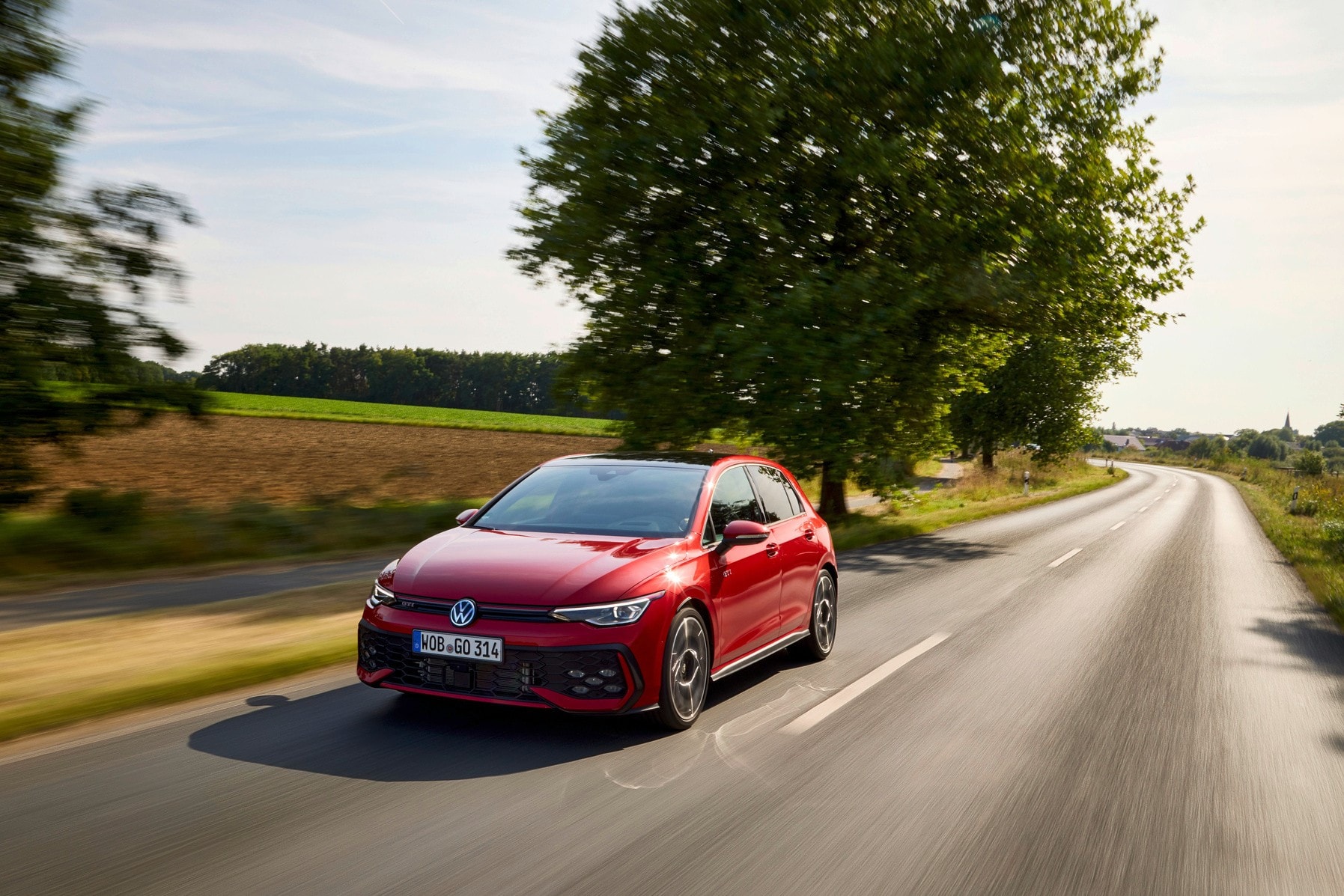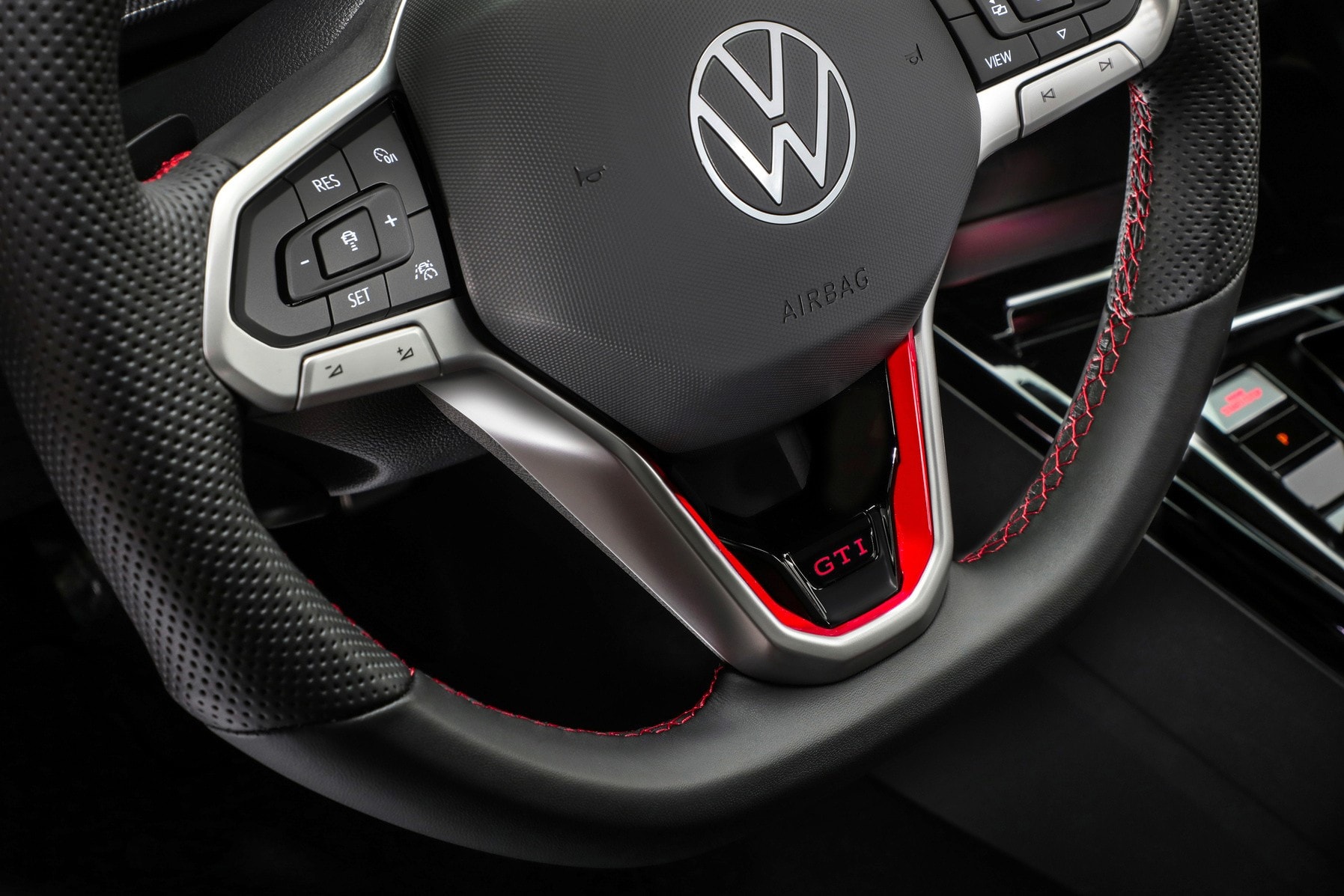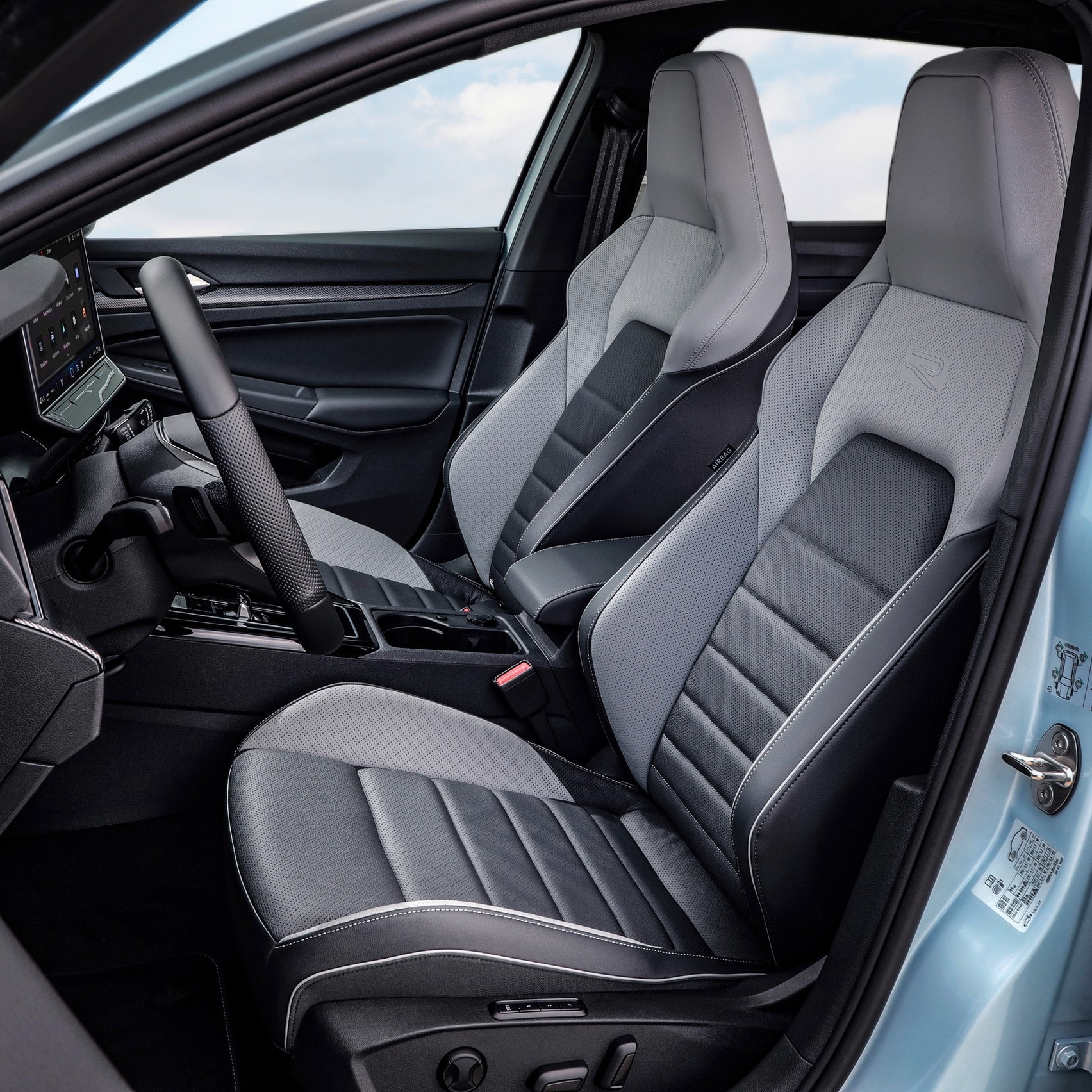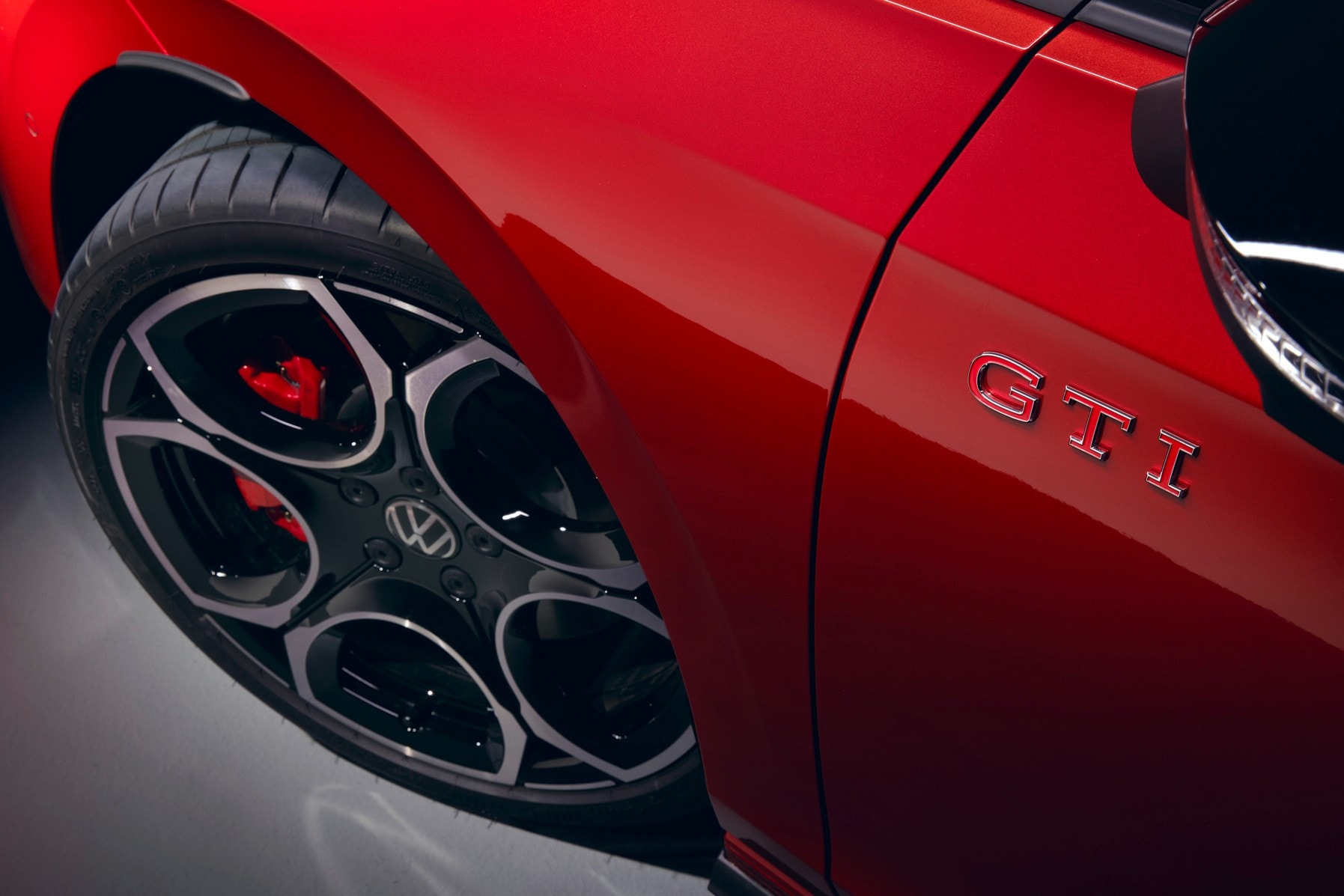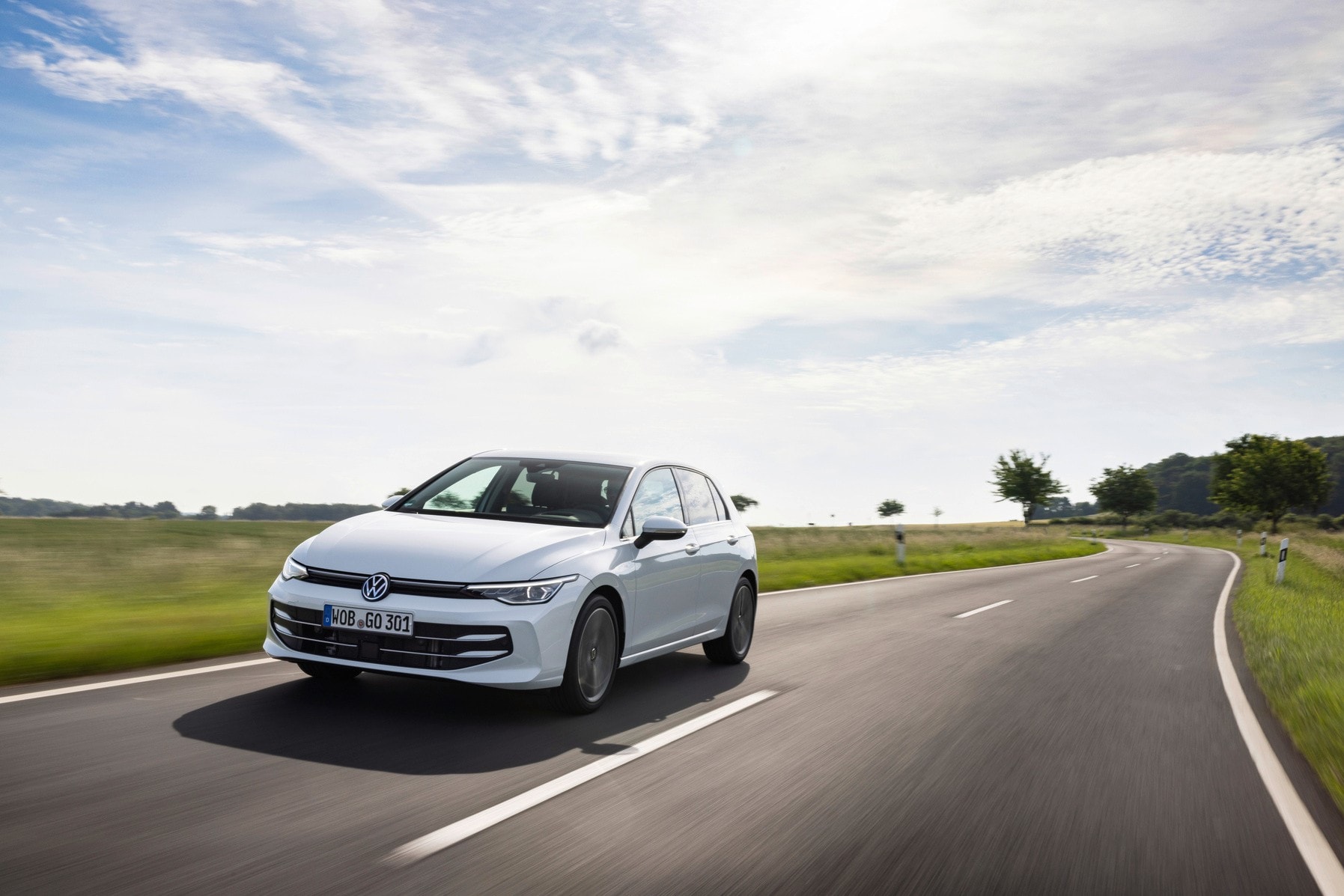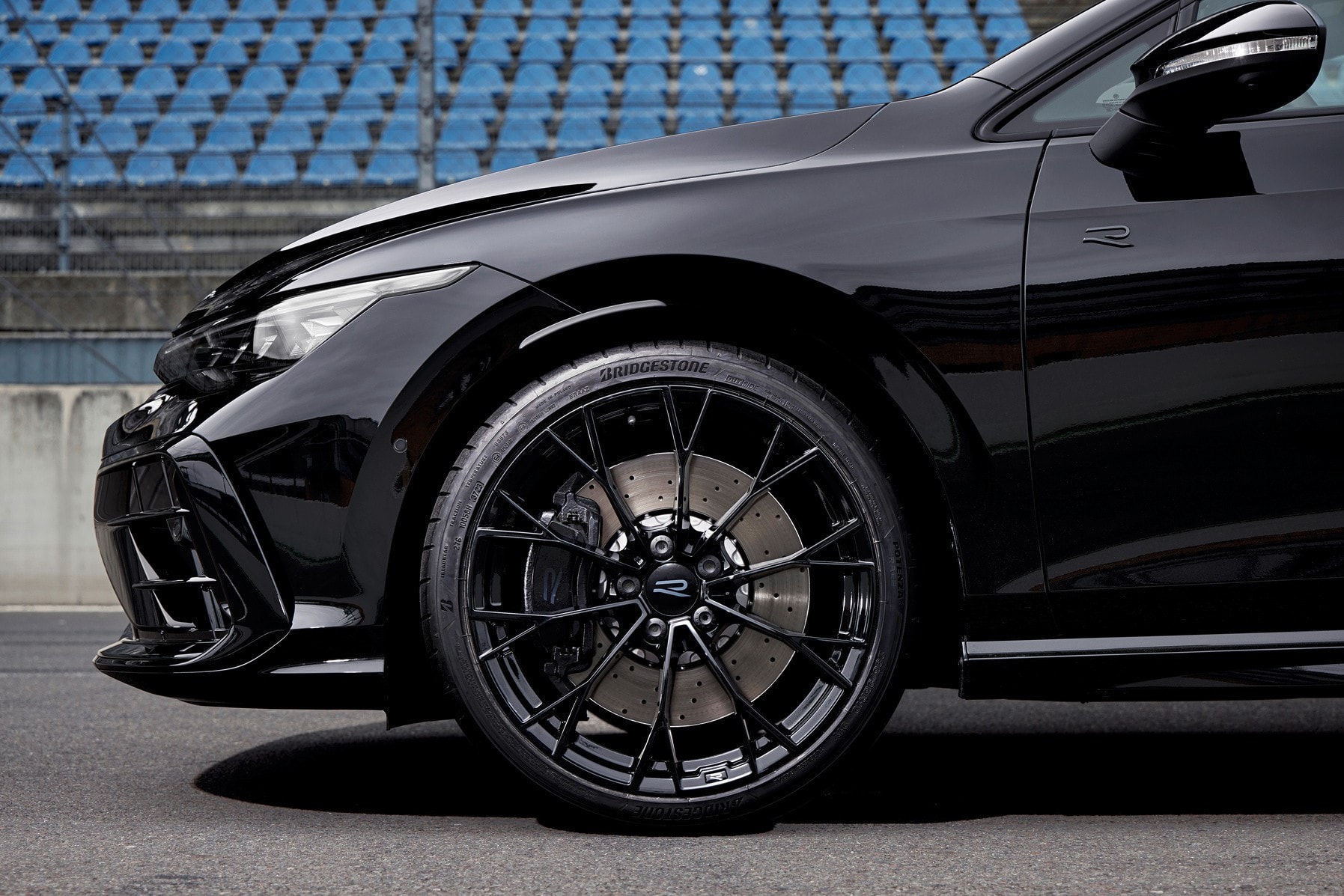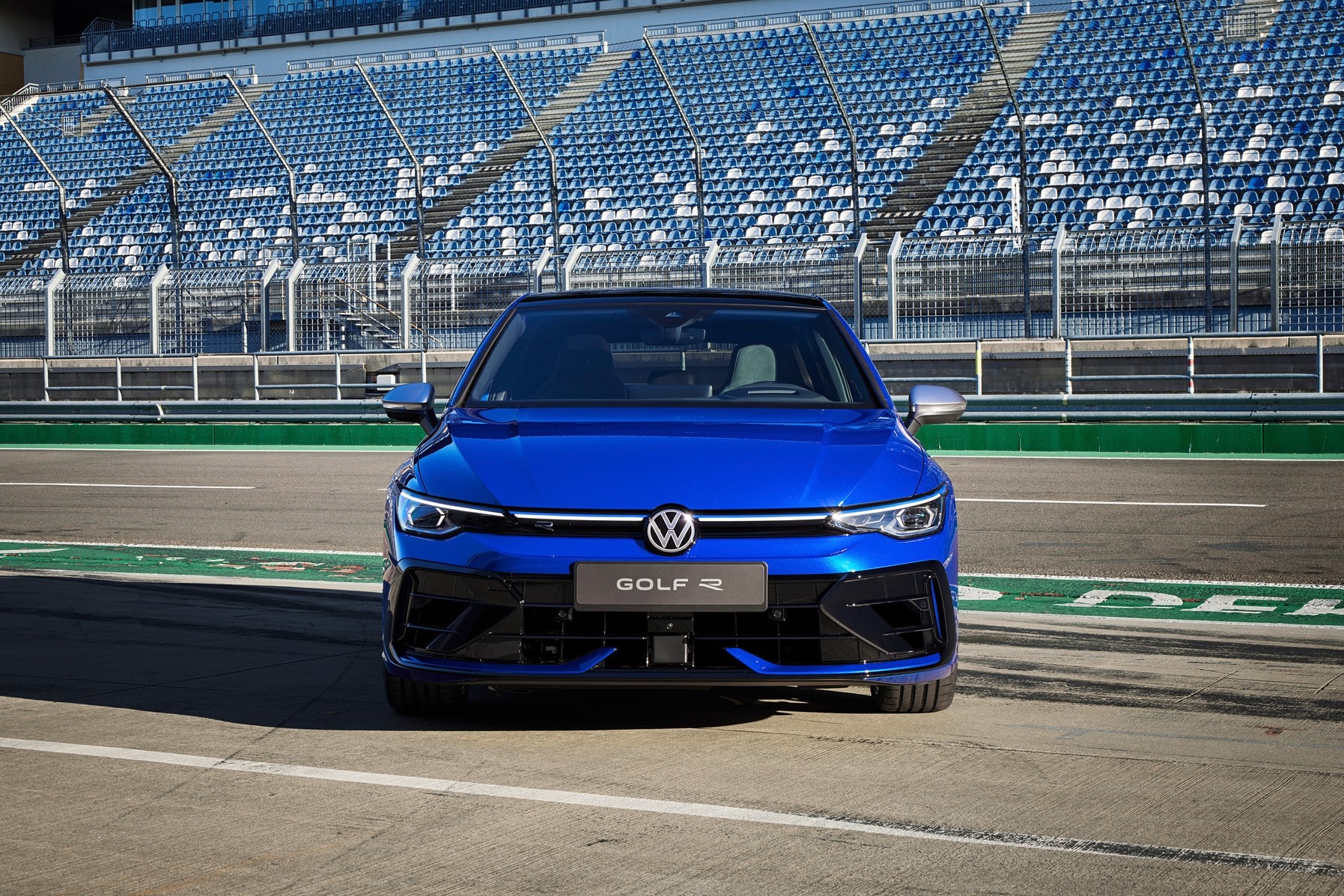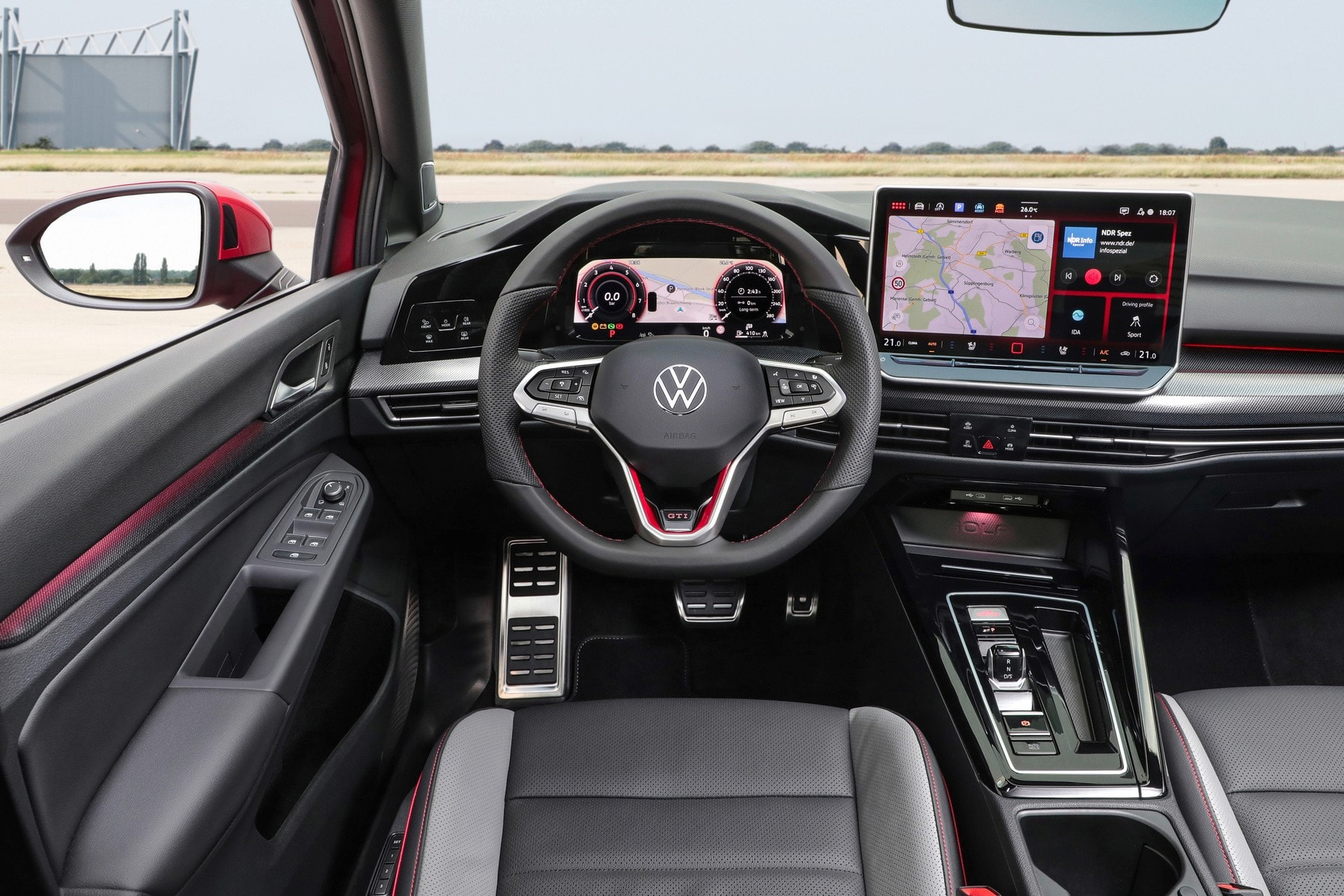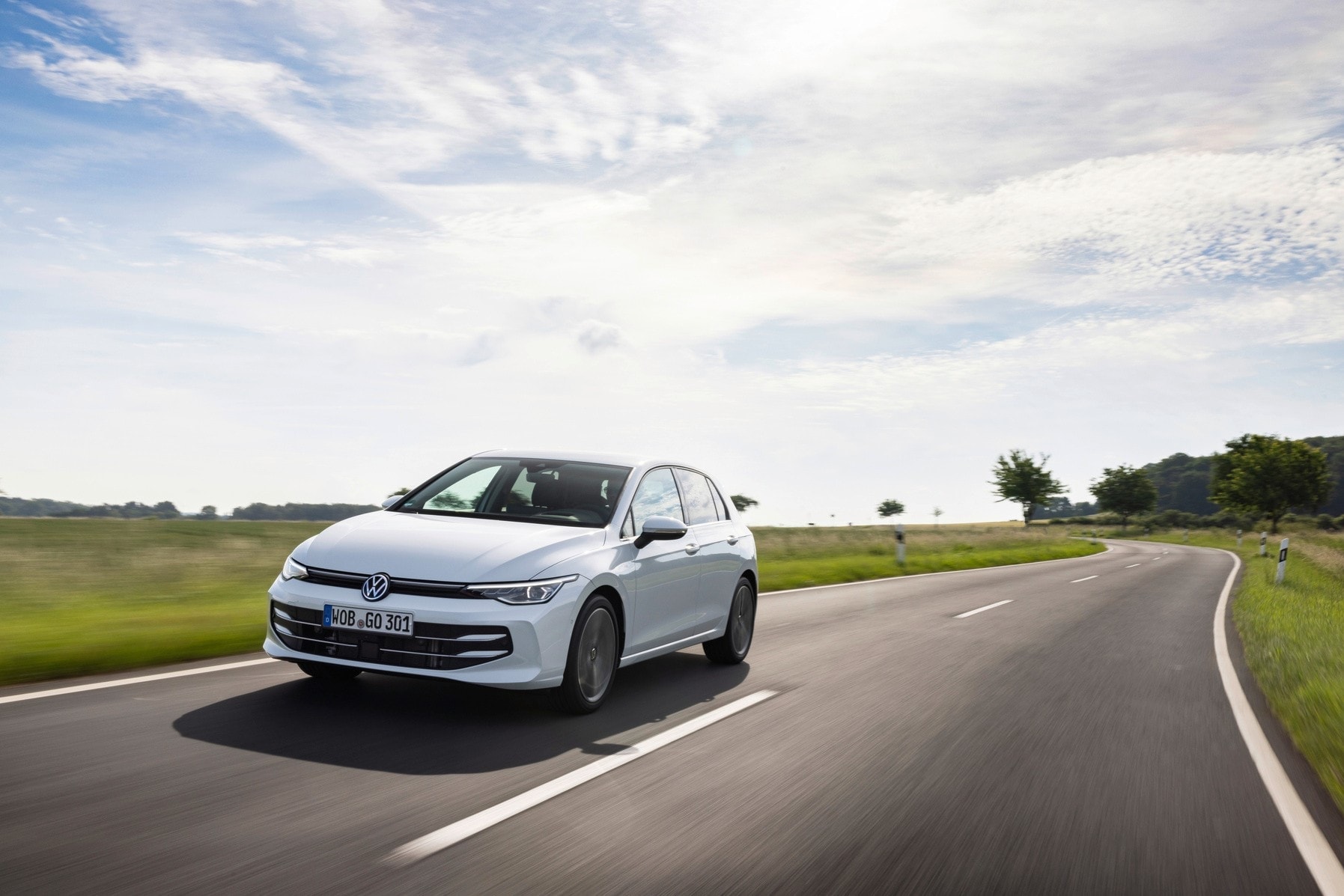




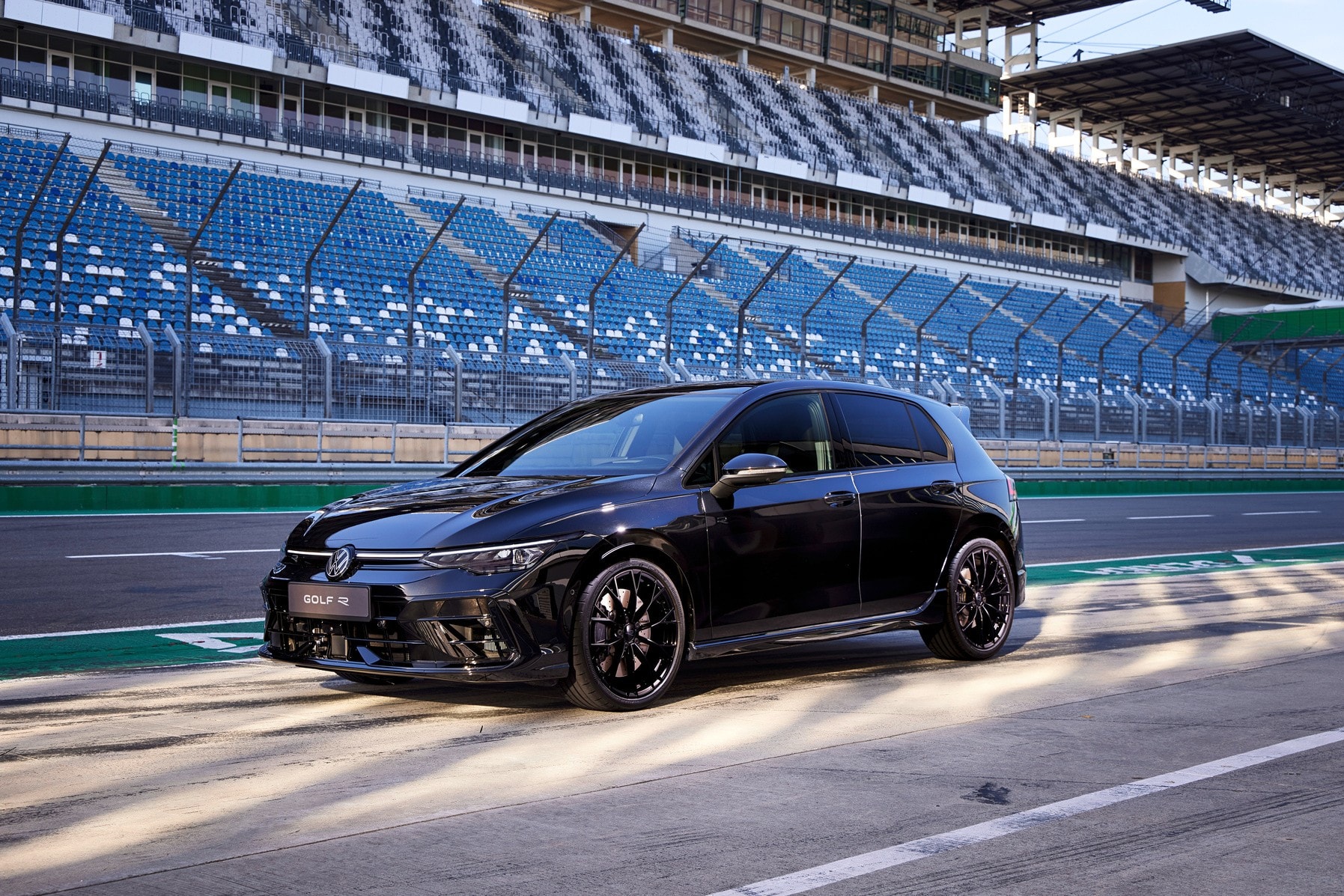
Not long ago, the Volkswagen Golf range in North America covered a wide range of buyers. Today, the situation looks much different. The lineup has narrowed to two performance-focused models, the GTI and the Golf R. That arrangement, though, might not last forever.
Volkswagen is planning to move Golf manufacturing to Puebla, Mexico, starting in 2027. With the move, there has been speculation about whether cheaper versions of the Golf may be able to appear in showrooms once again throughout the United States and Canada.
The possibility was raised during comments made by Volkswagen Group of America chief executive Kjell Gruner. Speaking with Automotive News, he explained that building the Golf in North America “opens up opportunities for other variants.” He also pointed to a major obstacle, adding, “A 25 percent tariff for an entry version of the Golf would turn out to be difficult.”
Tariffs sit at the center of the issue. Gruner suggested that a reduction to around 15 percent on Mexico-built light vehicles would provide significant relief for Volkswagen and other manufacturers. At the moment, vehicles produced in Mexico are not automatically exposed to the full 25 percent tariff.
The details become more complicated once USMCA requirements enter the conversation. Vehicles that fail to satisfy trade thresholds face the Section 232 tariff in addition to the standard 2.5 percent United States passenger-car tariff. To qualify under the agreement, at least 75 percent of a vehicle’s net cost must come from North American manufacturing and parts.
Another requirement demands 75 percent regional content for key components such as the body, axles, suspension parts, transmission, engine, and steering system. Missing the threshold in a single core category causes the entire vehicle to fall short. There is also a labor requirement. At least 40 percent of the vehicle’s value must be produced in North American facilities where workers earn a minimum of $16 per hour.
Material sourcing matters as well. Steel and aluminum content must reach a 70 percent threshold. Meeting all four conditions allows duty-free entry under USMCA.
In fact, Puebla currently produces multiple vehicles for North America, such as the Jetta sedan, the Taos crossover and the Tiguan crossover. From 2027 it will be Volkswagen’s worldwide Golf production plant. The transition was planned back in 2024, after an agreement was made between Volkswagen and the IG Metall labor union. The decision comes amid increasing German production costs, growing competition from Chinese makers, and sluggish demand throughout Europe.
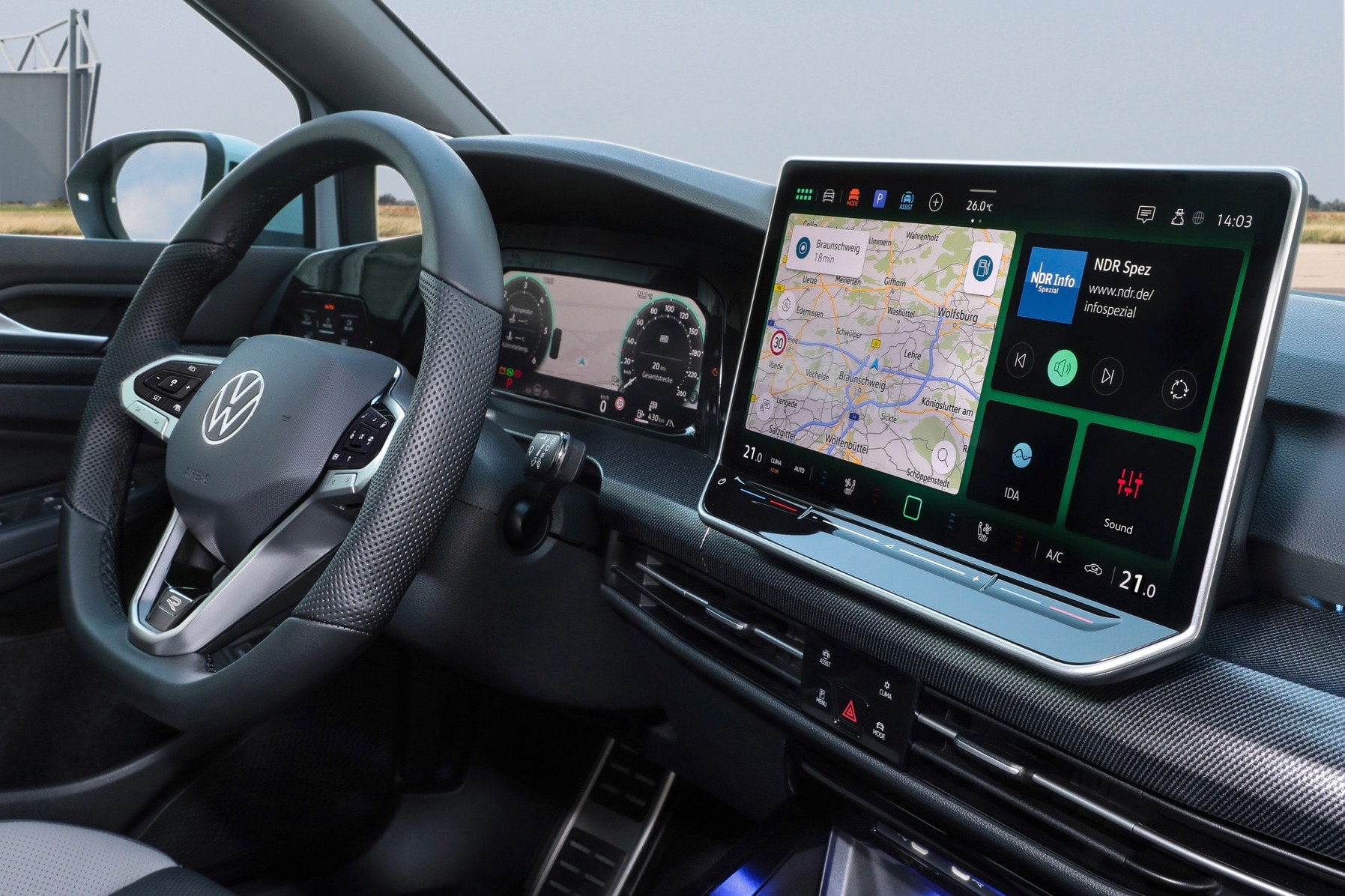
Golf hatchback and wagon assembly will leave Wolfsburg for Puebla. Wolfsburg, meanwhile, will devote more attention to battery-electric vehicles, including Volkswagen’s planned electric Golf. That model had been expected in 2028, though Volkswagen Passenger Cars chief executive Thomas Schäfer recently confirmed the ID. Golf has been delayed from its original schedule.
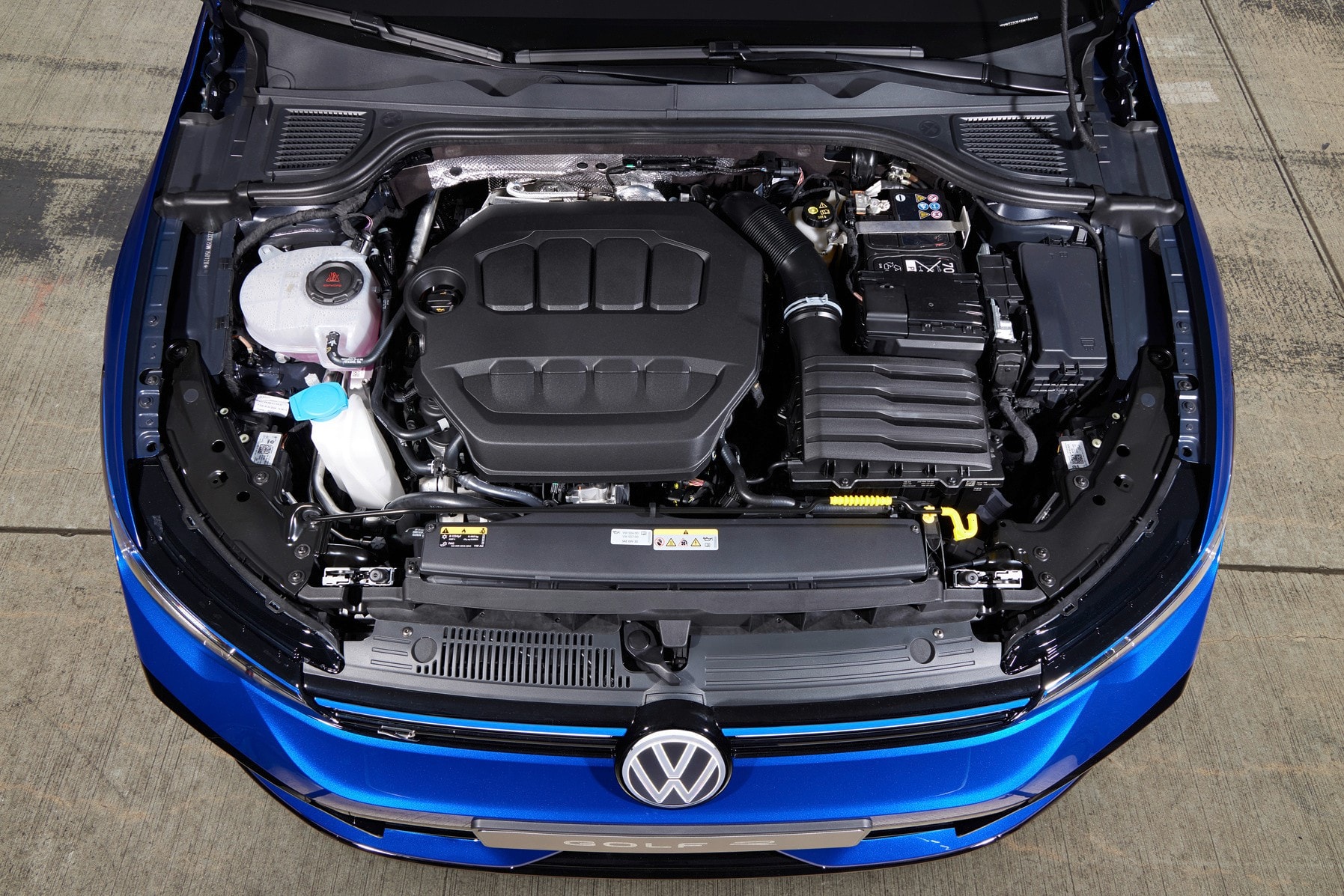
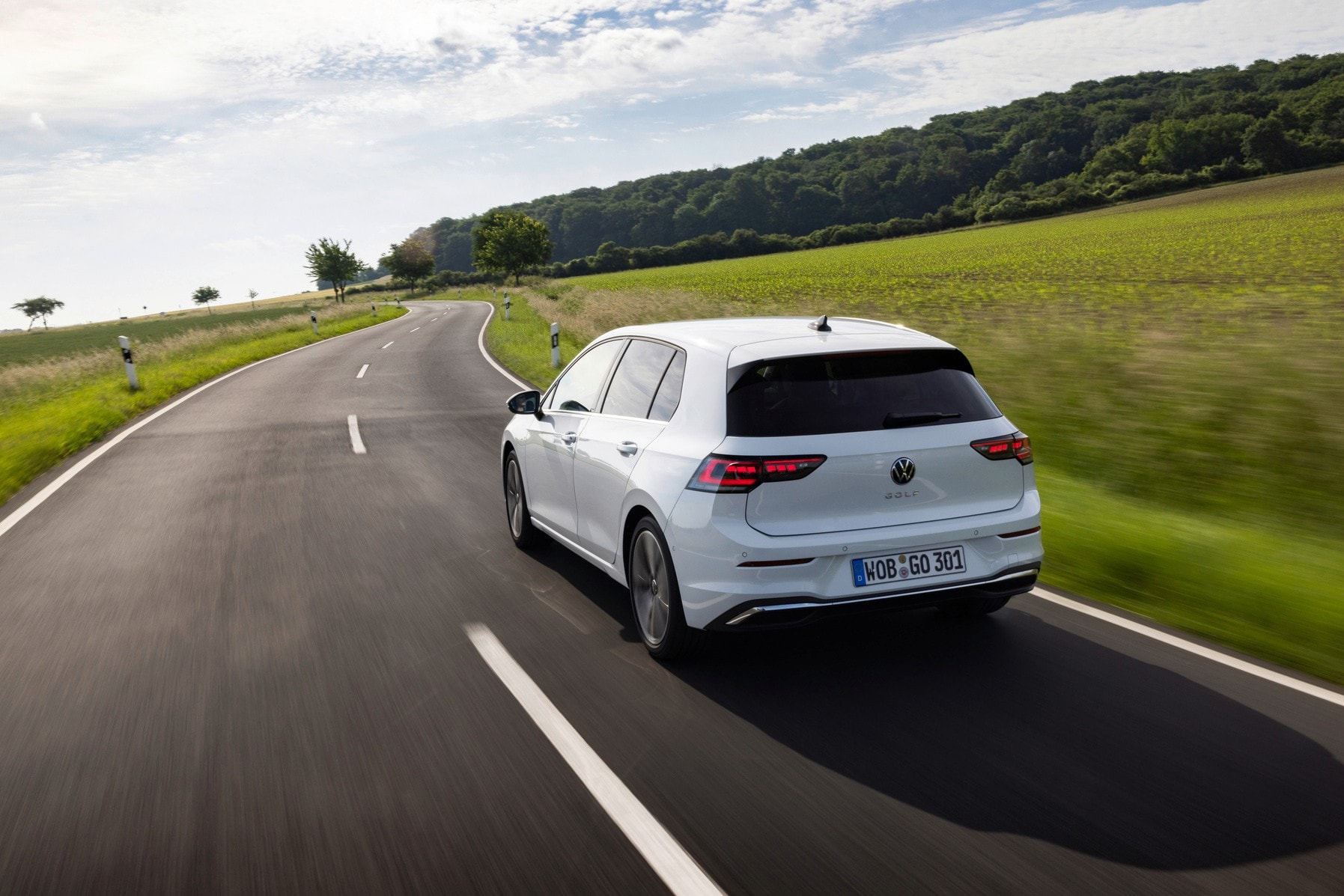
If base Golf models return to North America, they would need hybrid power. The proposed system centers on a 1.5-liter TSI four-cylinder turbocharged engine already used in the Jetta and Taos sold in the United States.
2027 Volkswagen Golf Lineup – Photo Gallery