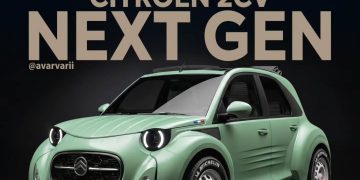




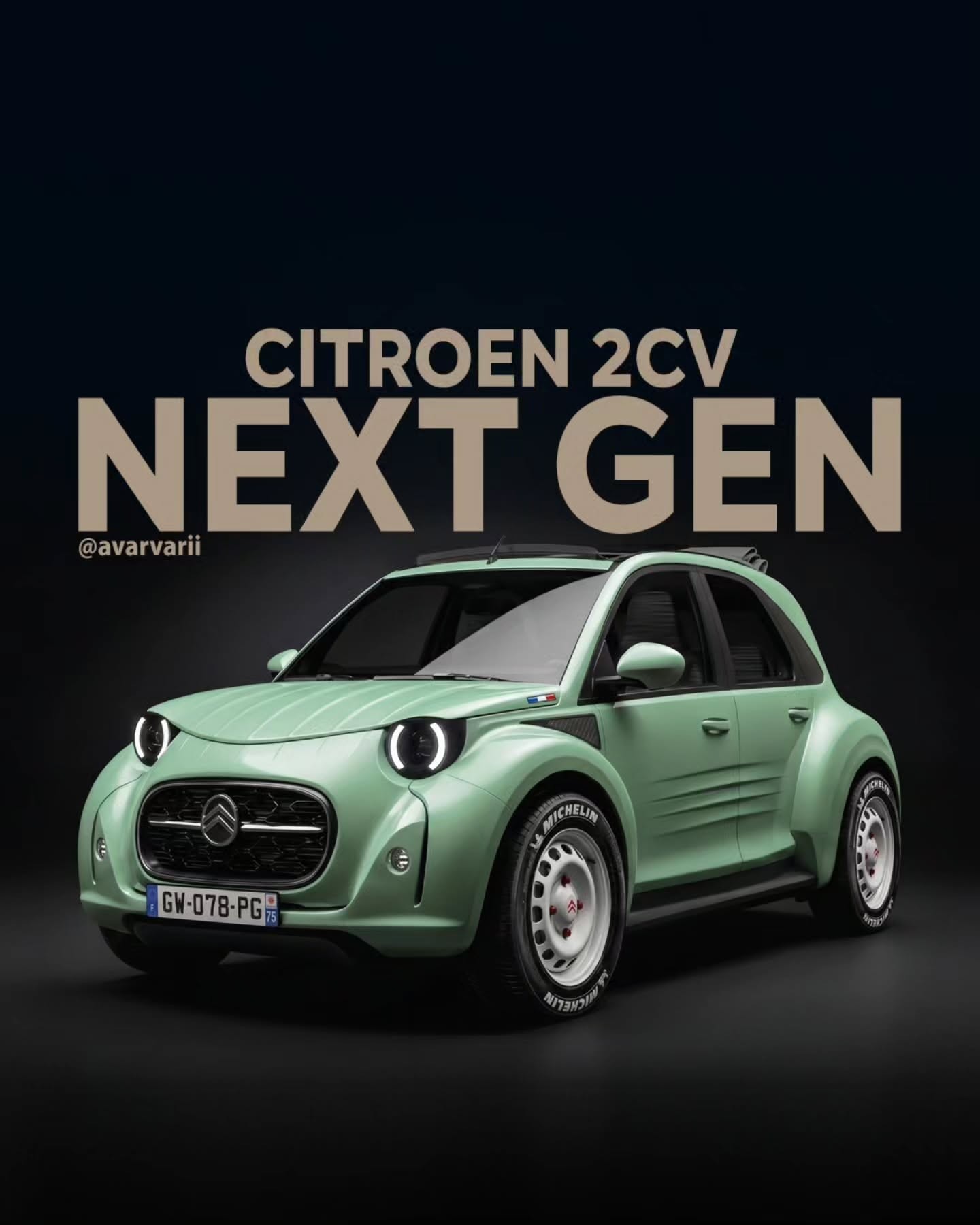
One of France’s most recognizable automotive names is preparing for a comeback. Citroen has already confirmed plans to bring back the 2CV, and while the production car has yet to make its public debut, fresh digital artwork is offering a detailed look at one possible direction for the reborn icon.
The return of the 2CV sits inside Stellantis’ broader FastLane 2030 program. Under that strategy, the group intends to invest around $70 billion while expanding its lineup with 110 new or refreshed vehicles before the decade closes. The breakdown includes 60 completely new products and another 50 facelifts. Jeep, Ram, Peugeot, and Fiat have been identified as the brands carrying the strongest worldwide growth opportunities.
Citroen occupies the next tier alongside Chrysler, Dodge, Opel, and Alfa Romeo. Those marques are assigned regional responsibilities across global markets. DS and Lancia will operate under direct oversight from Citroen and Fiat as specialty brands, while Maserati is following a separate business roadmap scheduled for presentation in Modena during December 2026.
Against this backdrop, the 2CV project has gained fresh attention. Citroen previously announced that the famous nameplate will return during the fall edition of the 2026 Paris Motor Show. The company has not clarified whether visitors will see a concept vehicle or the final production model. One thing is beyond dispute. The original car left a lasting mark on automotive history, recording sales of more than five million units between 1949 and 1990.
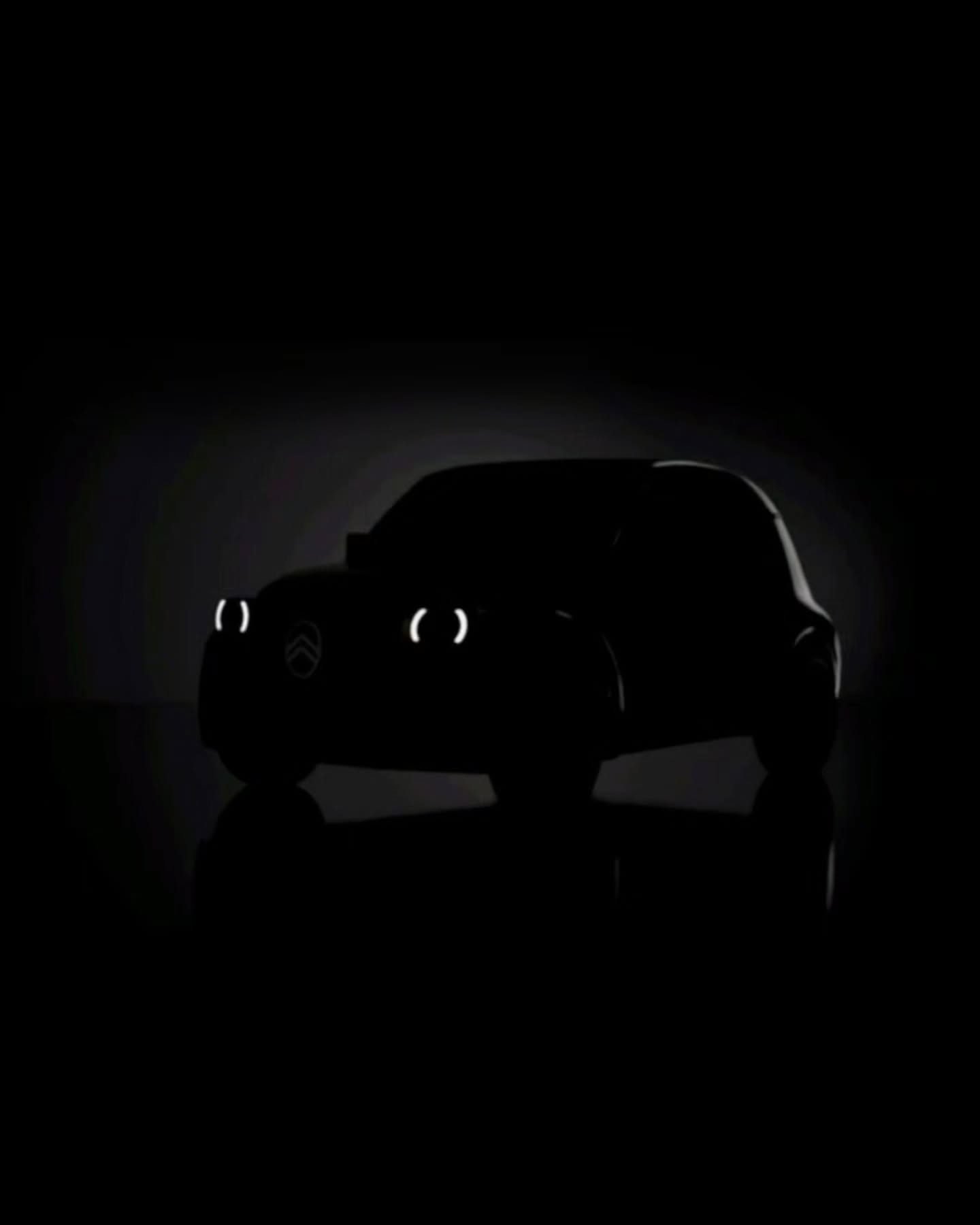
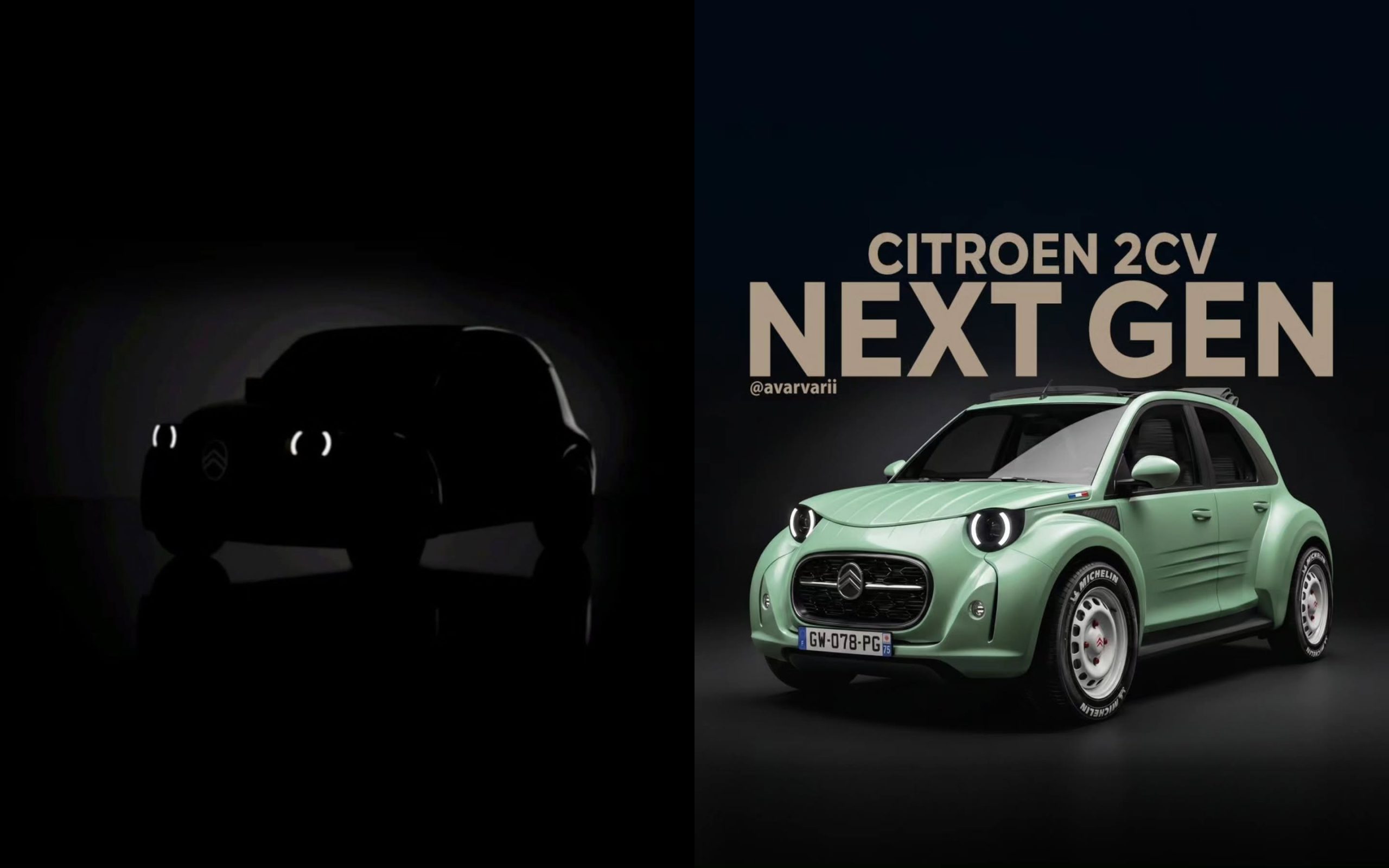
The upcoming version joins the wave of Stellantis launches planned through 2030. A teaser image released by the manufacturer already points toward a modern design influenced by classic styling cues. Citroen appears determined to blend nostalgia with contemporary electric mobility.
Electric power sits at the center of the project. Reports referenced in the digital study suggest an affordable market position, with a target price around 15k euros, slightly above $17k. Such positioning would place the model in competition with entry-level electric vehicles, including the Dacia Spring, Hyundai Inster, and Leapmotor T03.
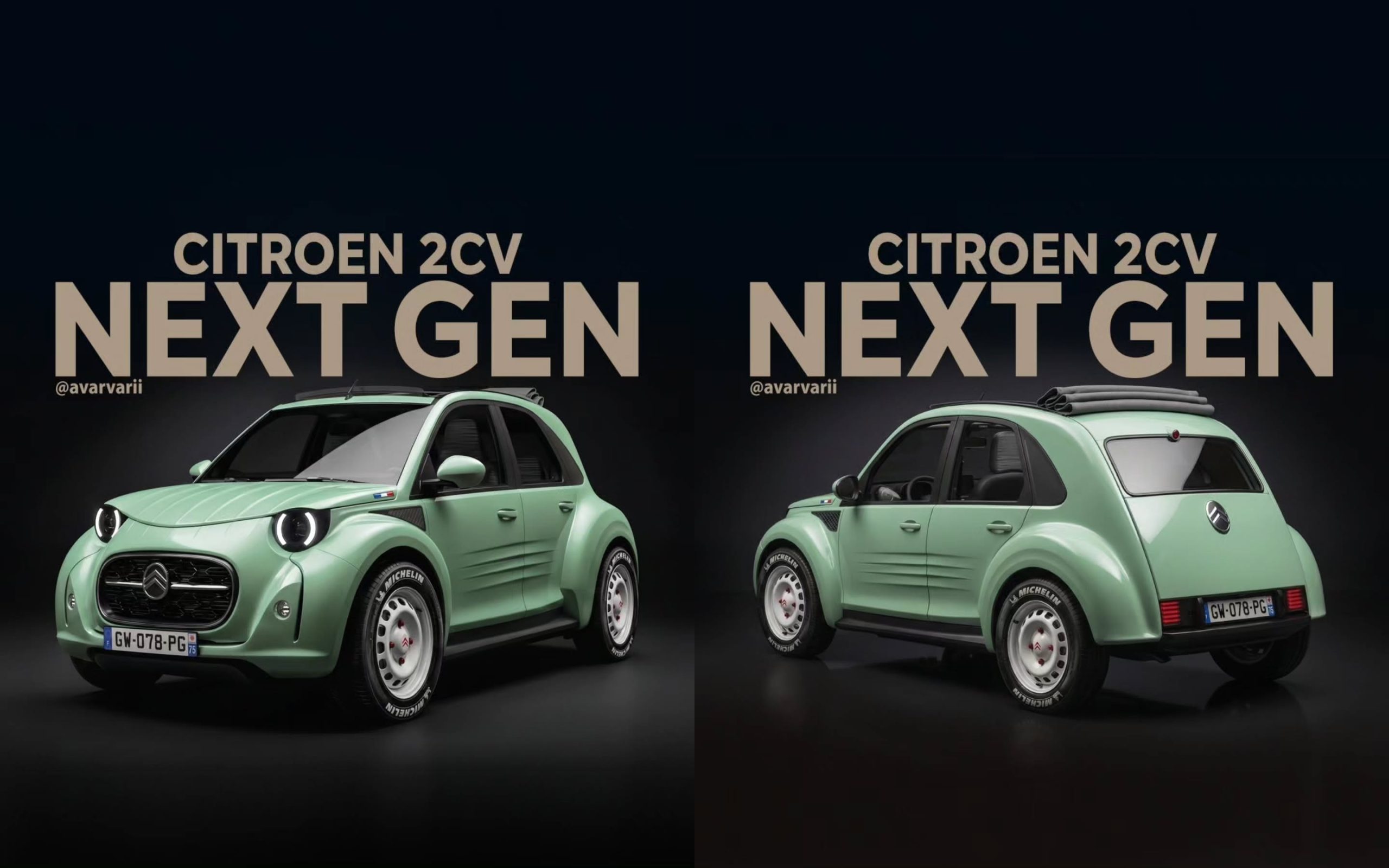
Meanwhile, digital creators have wasted little time exploring possible shapes for the future model. Andrei Avarvarii, founder of Avarvarii Automotive Artworks and known online as “avarvarii,” partnered with Motor Mag to create an extensive CGI interpretation of Citroen’s upcoming plans. His goal was straightforward: “to visualize how this French icon will look in the electric era.”
According to the artist’s vision, the returning 2CV would occupy the space between the Ami and e-C3 in Citroen’s range. The proposal also assumes approximately 160 miles of driving range, a figure aimed primarily at urban transportation. For now, those numbers belong strictly to the CGI concept, but the real car’s debut is drawing closer with every passing month.