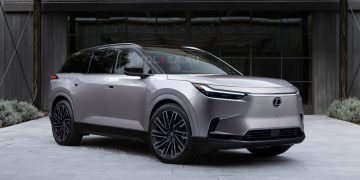




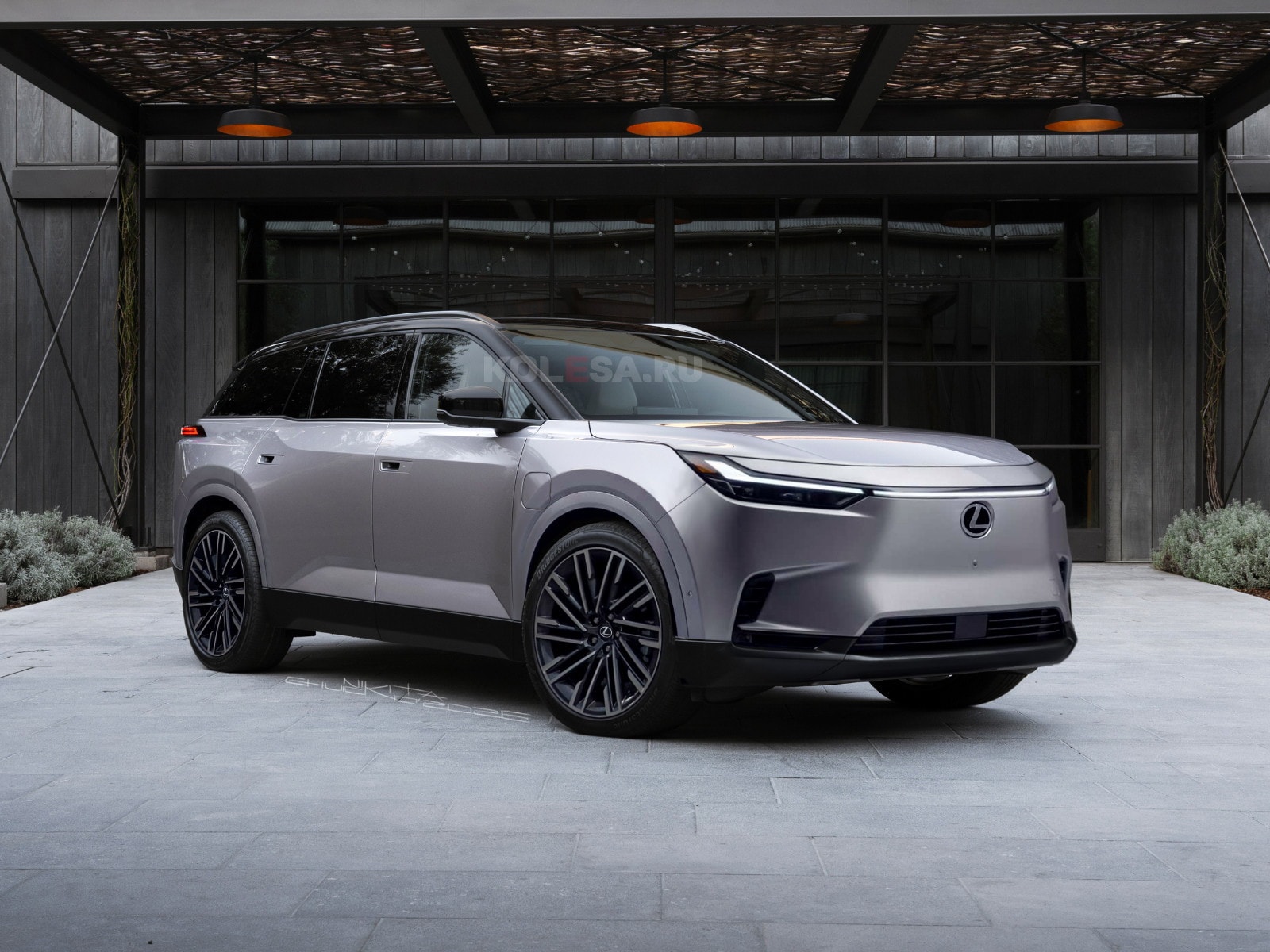
Another crossover from Lexus is in the works, with the carmaker preparing a special model that will be positioned above other new vehicles from Lexus`s range. This high-performance battery-electric model has already been confirmed while performing road testing, while a prototype was caught on shots earlier this month.
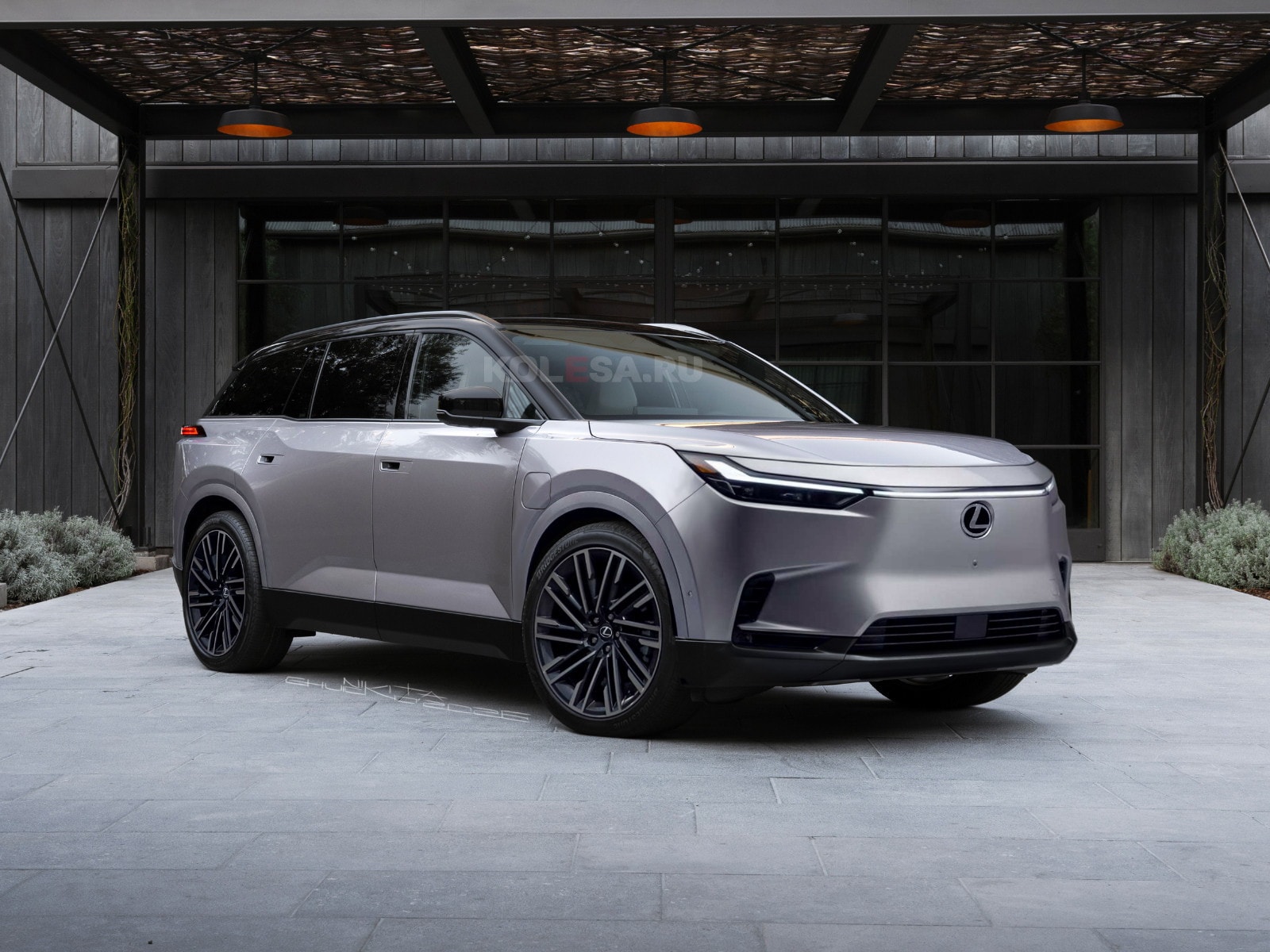
The test vehicle carried full camouflage, yet several proportions still pointed toward a close link with the latest Toyota Highlander EV. According to those early observations, shared body elements appeared visible even under the wrap. Based on those spy shots, Nikita Chuyko from Kolesa produced a digital interpretation showing how the finished model might look.
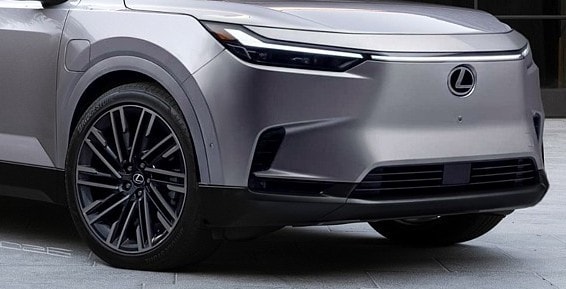
The rendering presents a front section with flatter surfaces than the current family design used by Lexus. Headlamp units sit lower and connect through a thin light strip. A closed grille fills most of the nose, with the Lexus emblem placed in the middle. Lower down, the bumper receives a smaller central intake. Wheel arches also differ from those on the Toyota donor, while the wheels themselves follow the prototype shape, though drawn slightly larger for the illustration.
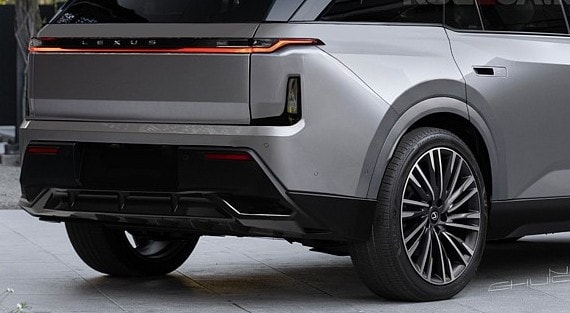
At the rear, changes stay modest. The rendering shows a different bumper and a diffuser with a sharper shape. A narrow rear light bar stretches across the tail, while the Lexus emblem sits between both lamp sections. Several body parts appear directly shared with the Highlander EV, including side glass, rear screen, roof spoiler, tailgate form, and door handles.
The model shown here carries the TZ name, though the final badge might include a number as well. Lexus has not yet shown the interior, though current expectations point toward a cabin with stronger material quality than the Toyota version. Some parts of the layout may still remain close to the Highlander, including general architecture. At the same time, a different infotainment system, digital instrument cluster, door cards, controls, and trim pieces are expected in the production version.
This new SUV is aimed at large electric family vehicles already on sale, including the Hyundai Ioniq 9, Volvo EX90, and Kia EV9.
Battery-electric hardware should mirror the latest Highlander EV. In base form, the Toyota setup uses a 77 kWh battery and 221 hp. A higher version adds all-wheel drive, lifts output to 338 horsepower, and uses a 95.8 kWh battery pack. Lexus is expected to follow the same technical direction when production begins.
Timing points toward a public reveal late in 2026 or early in 2027. For now, Lexus has only test vehicles on the road and unofficial renderings filling the gap before the first official presentation.