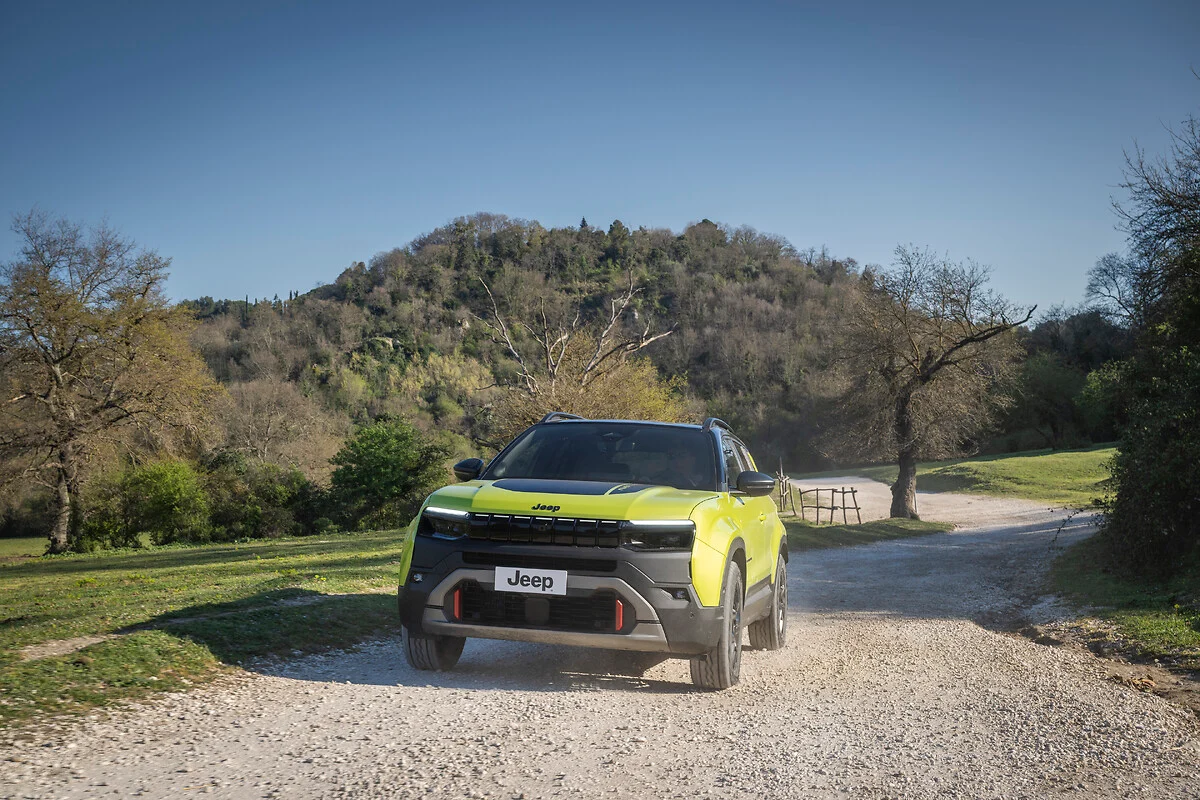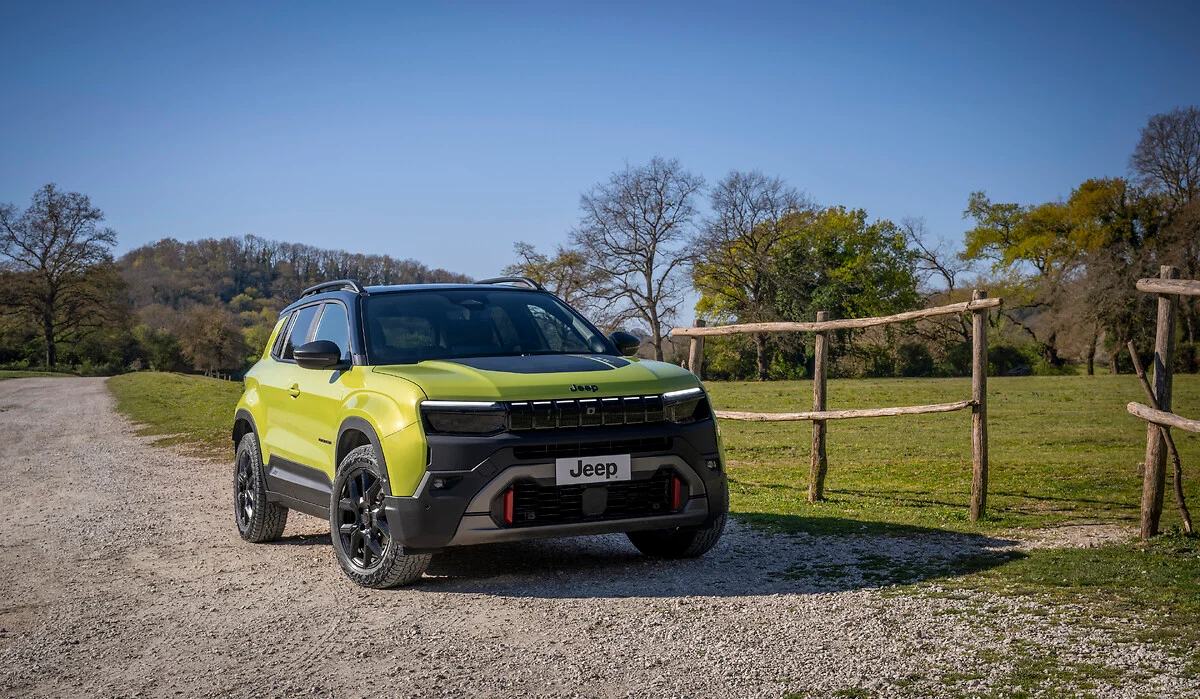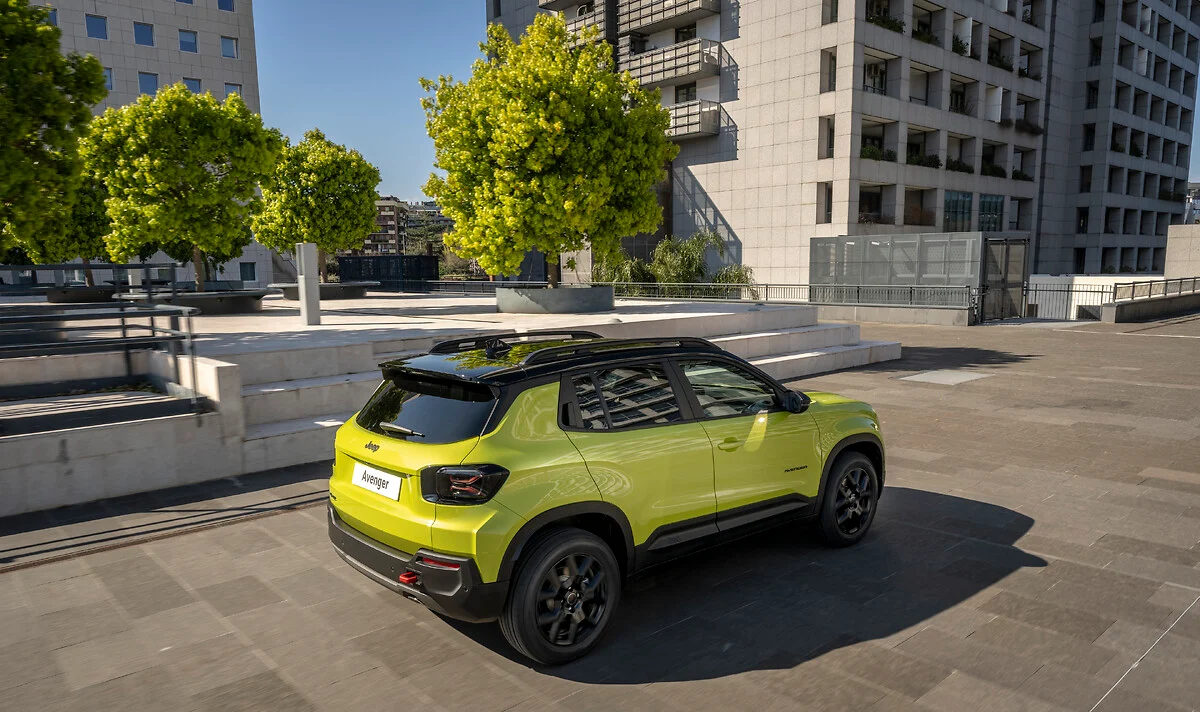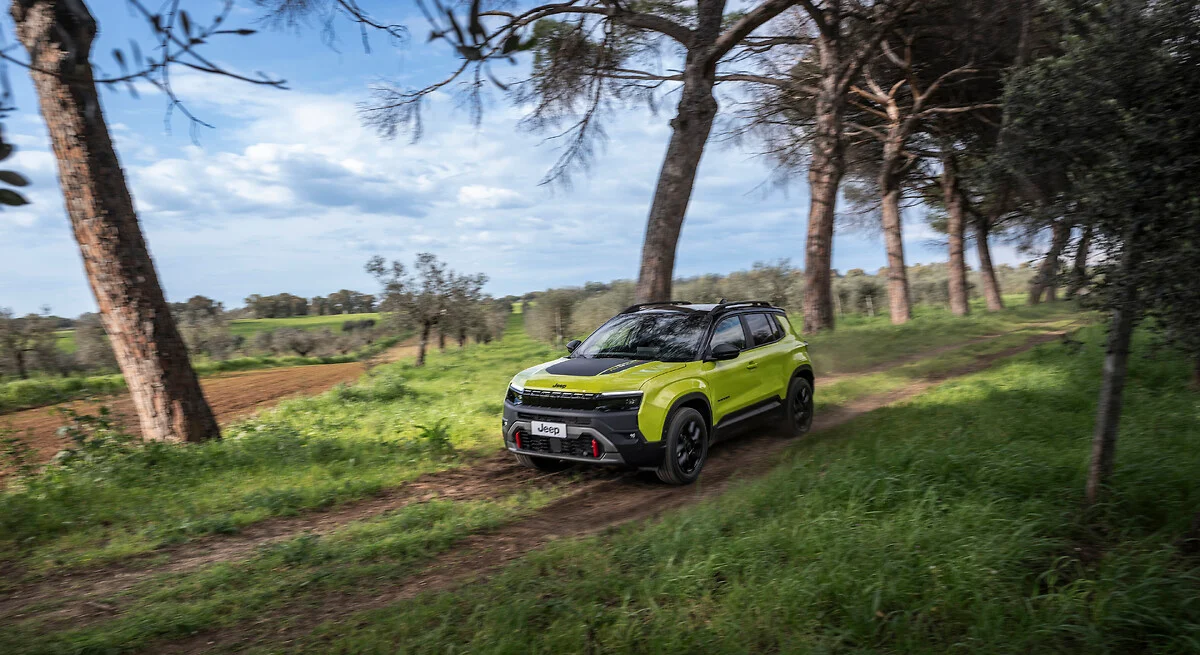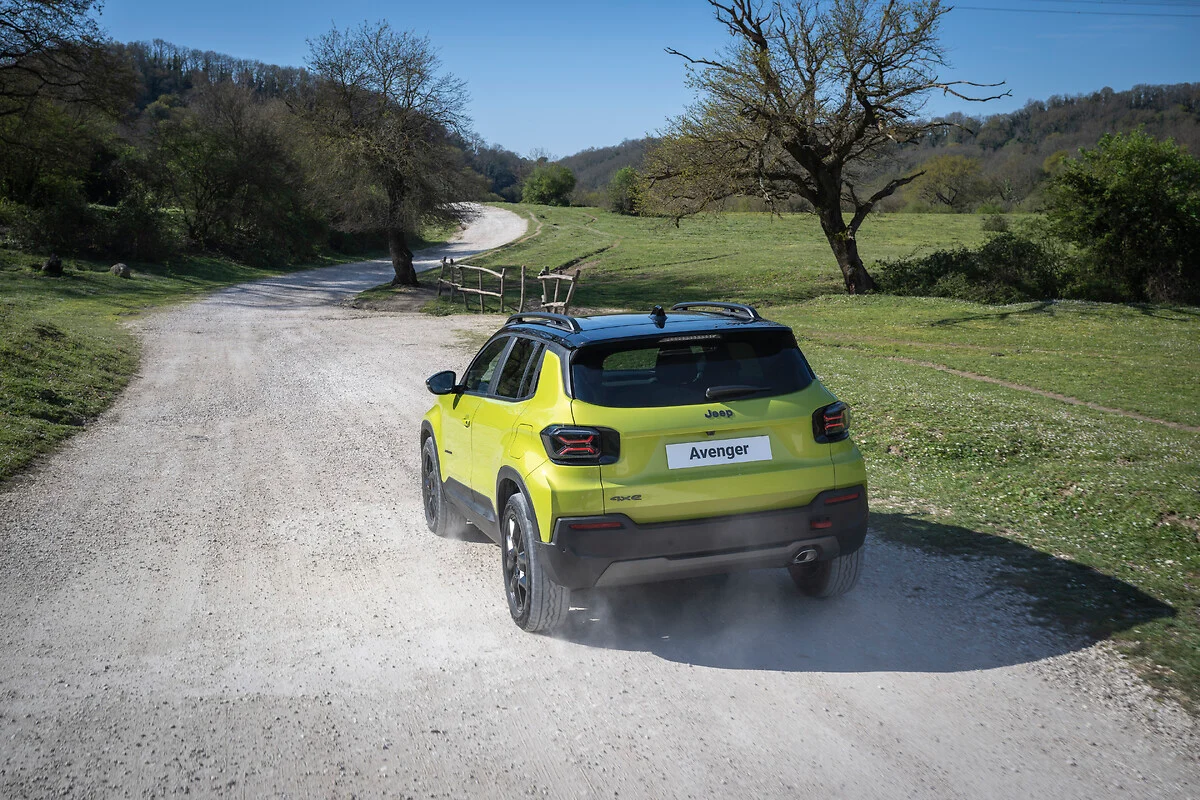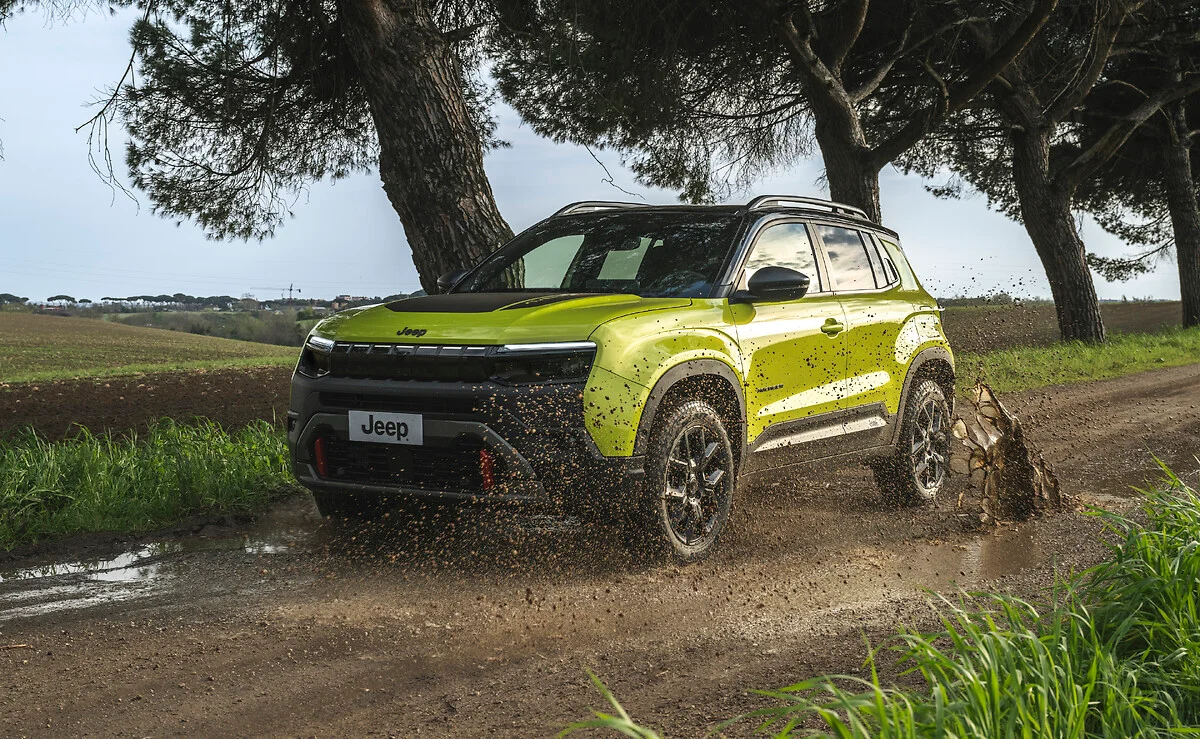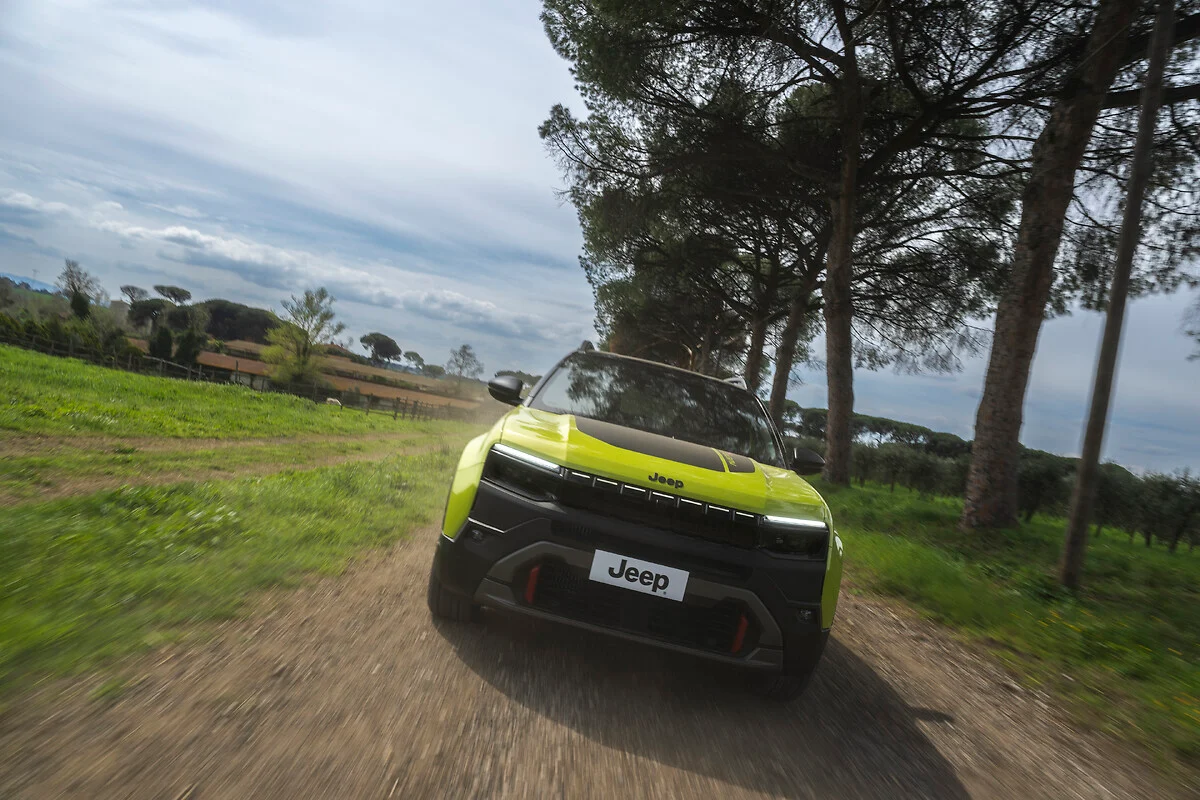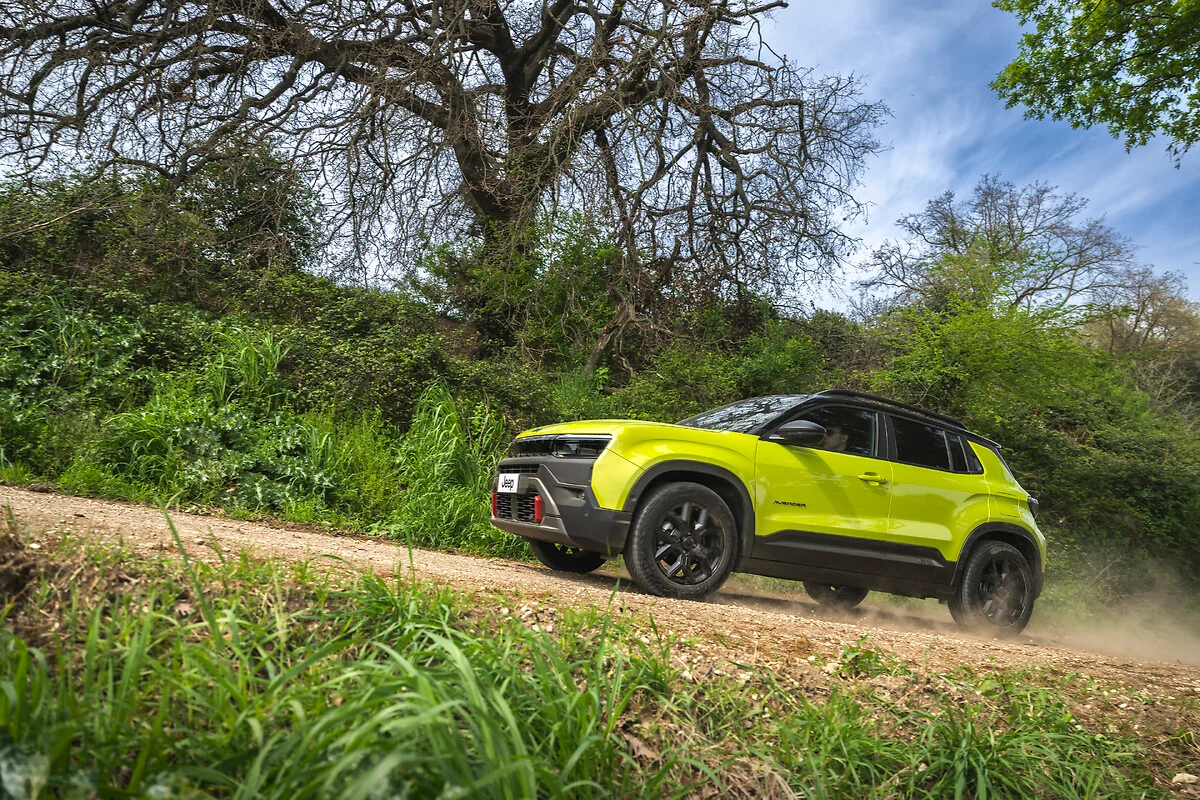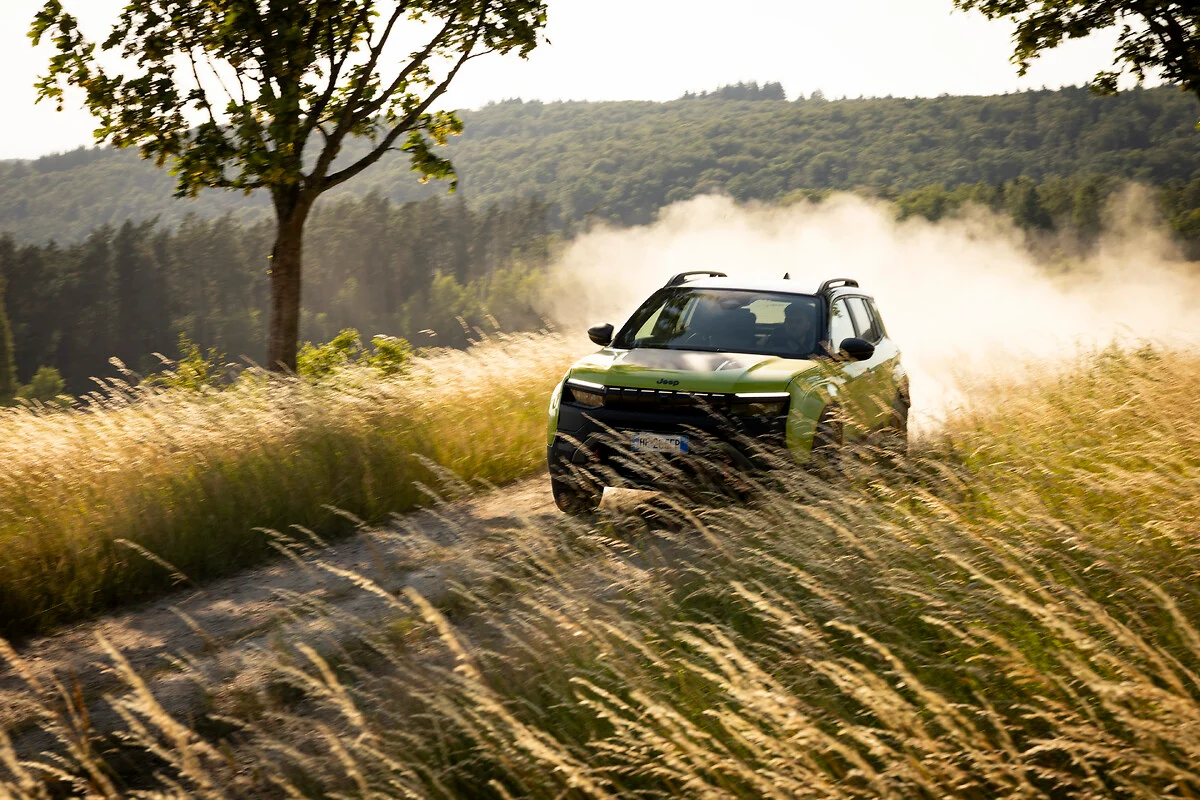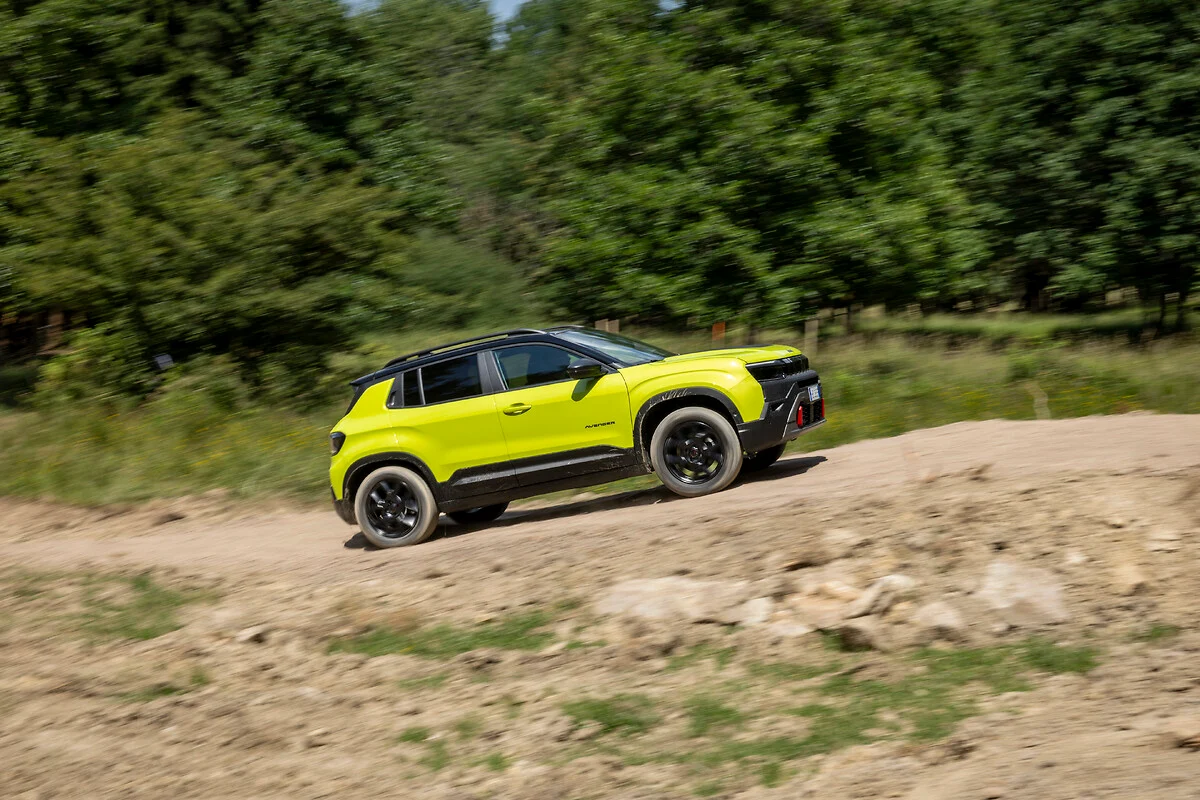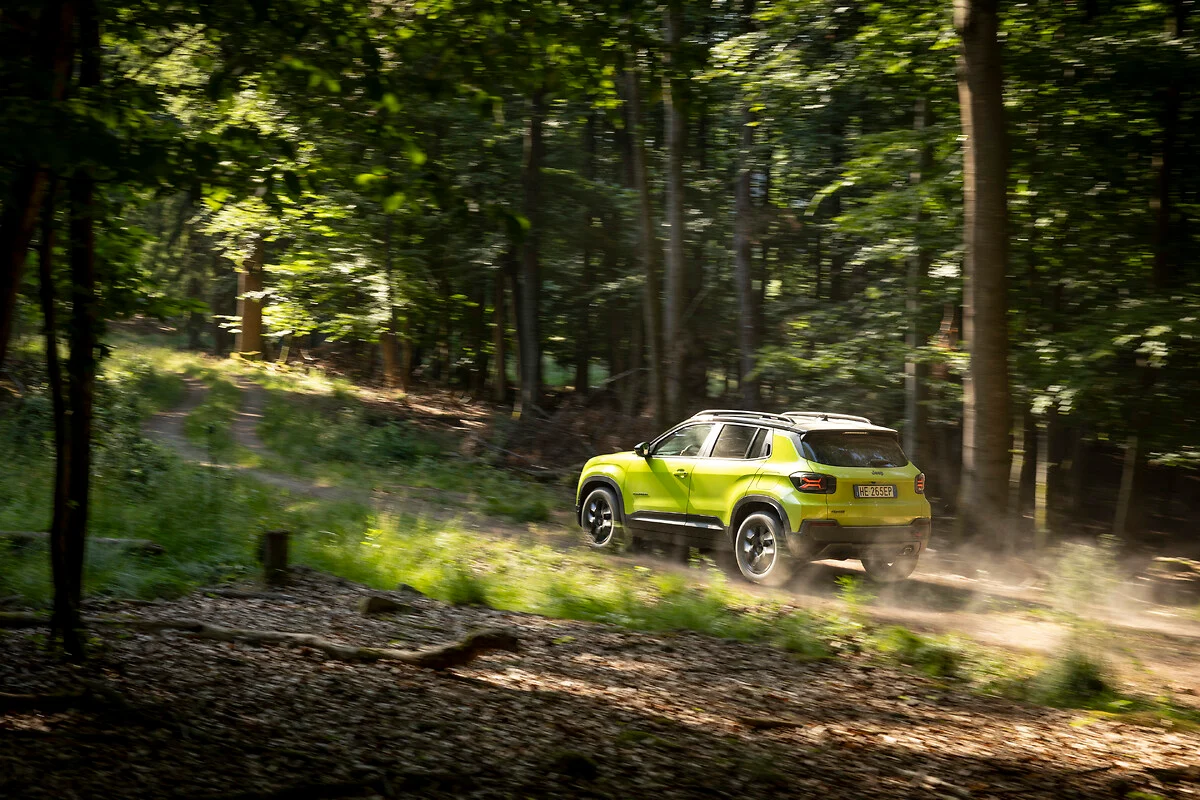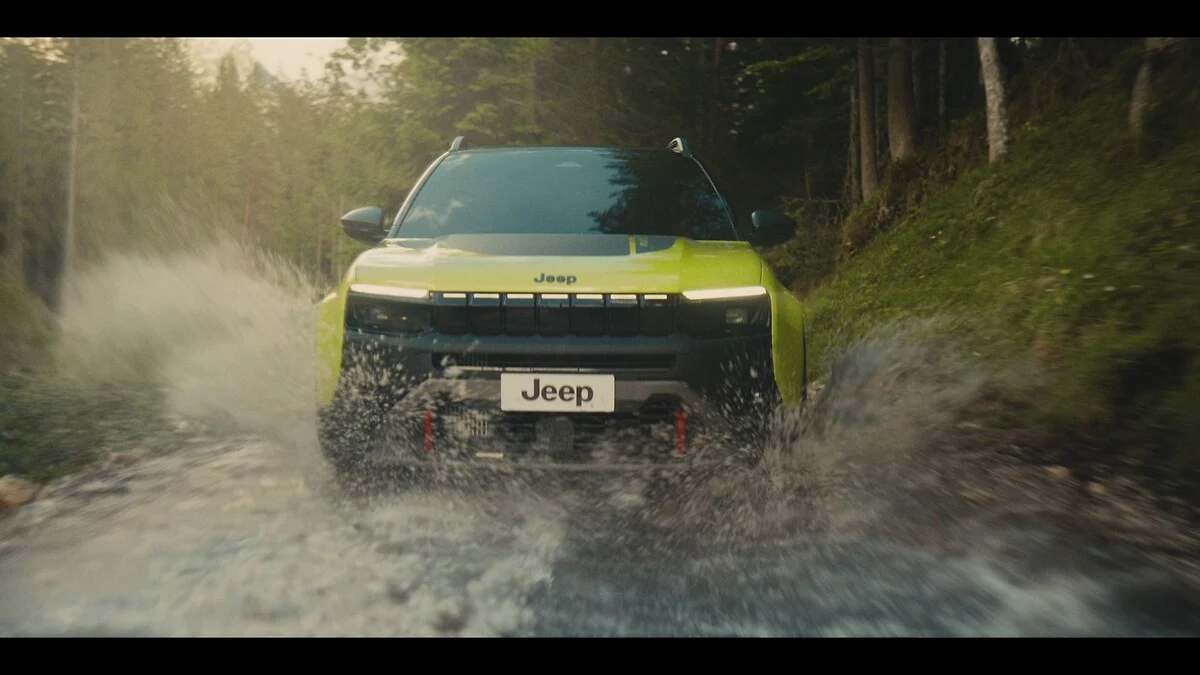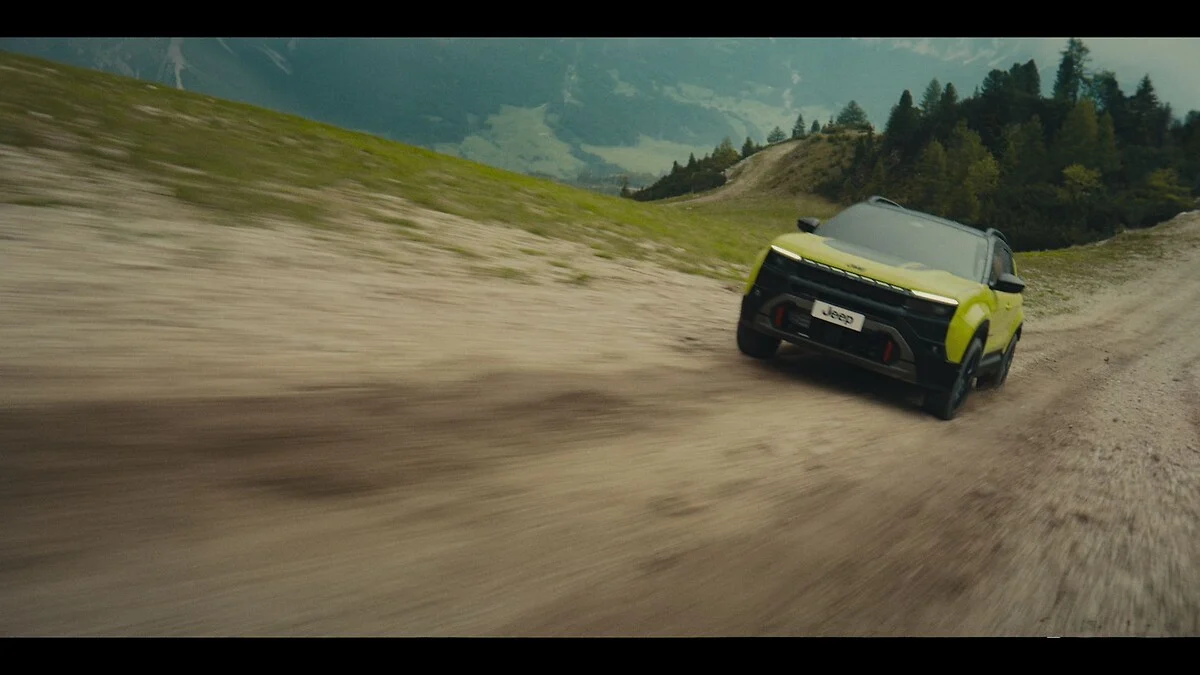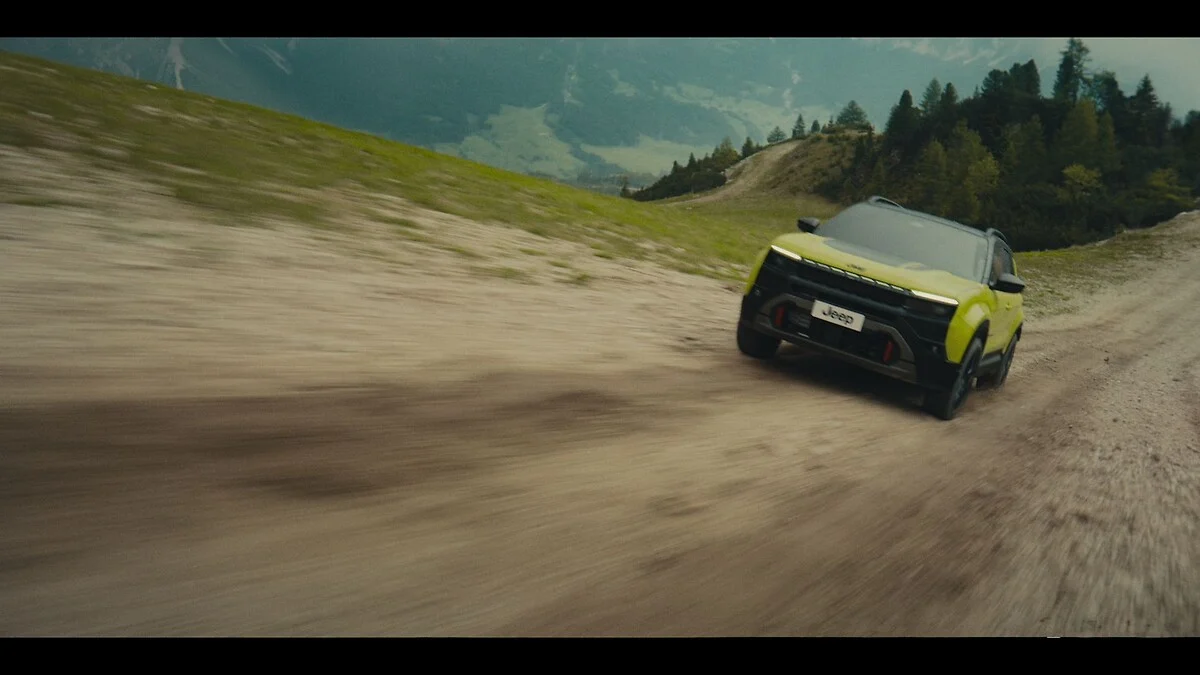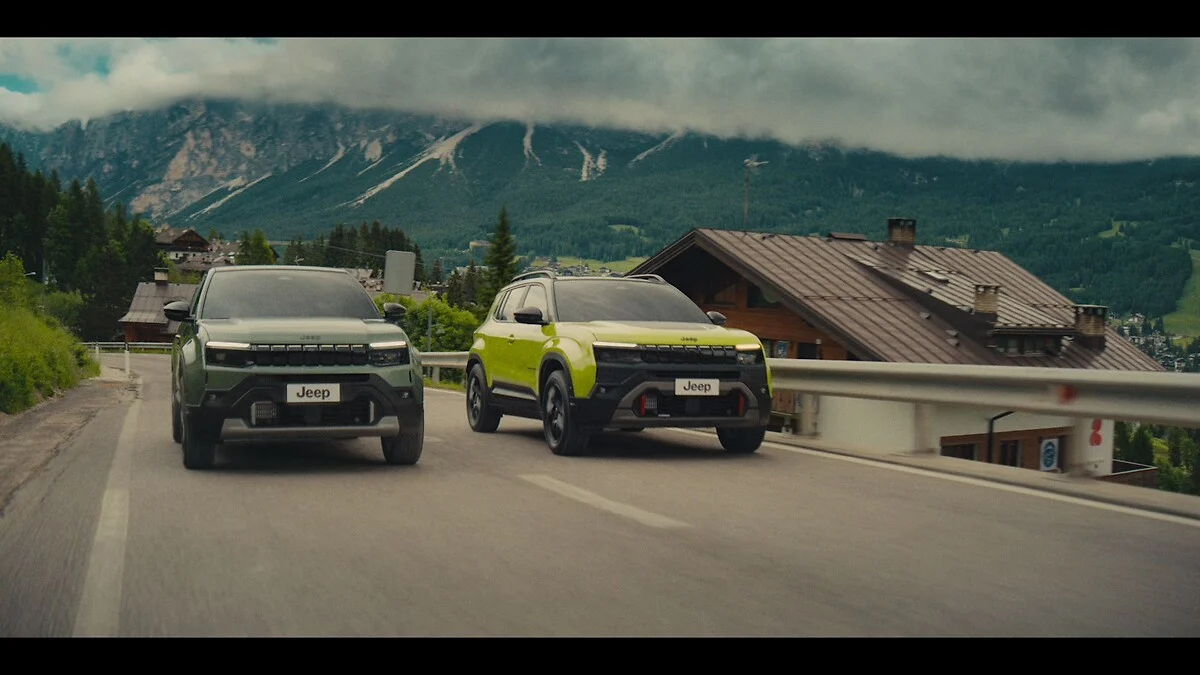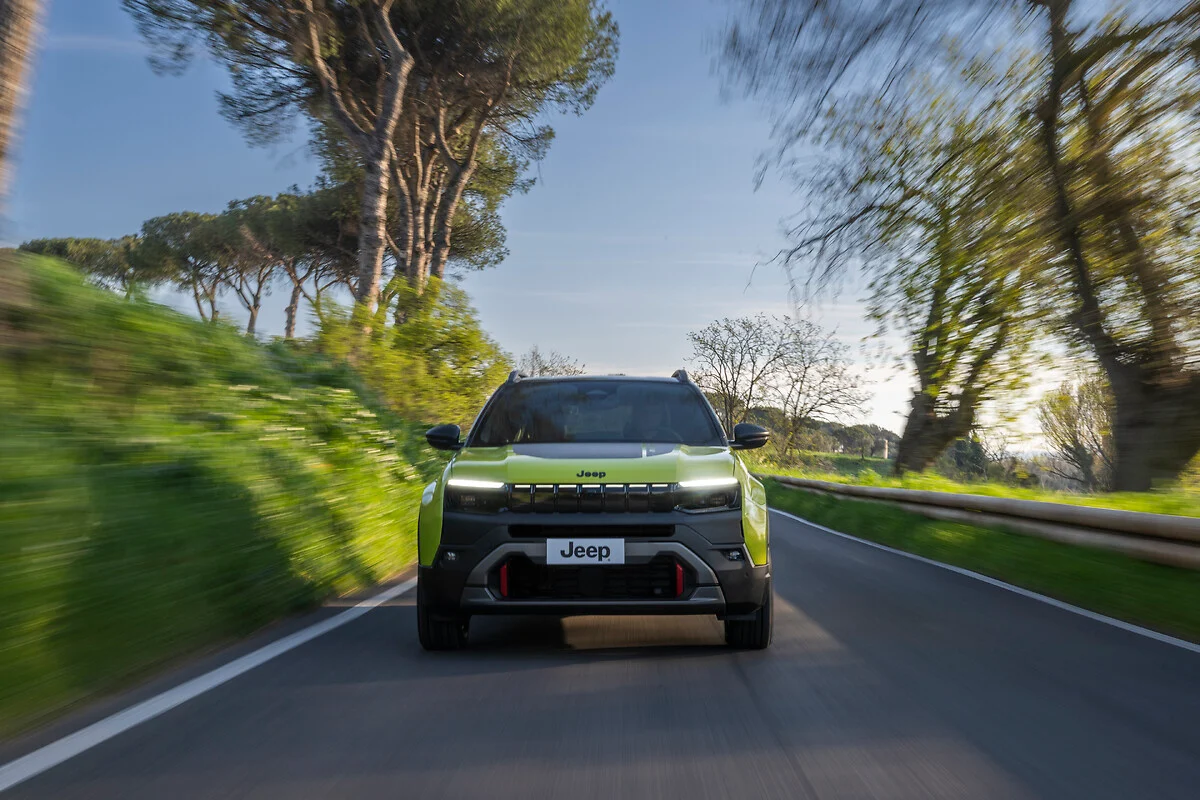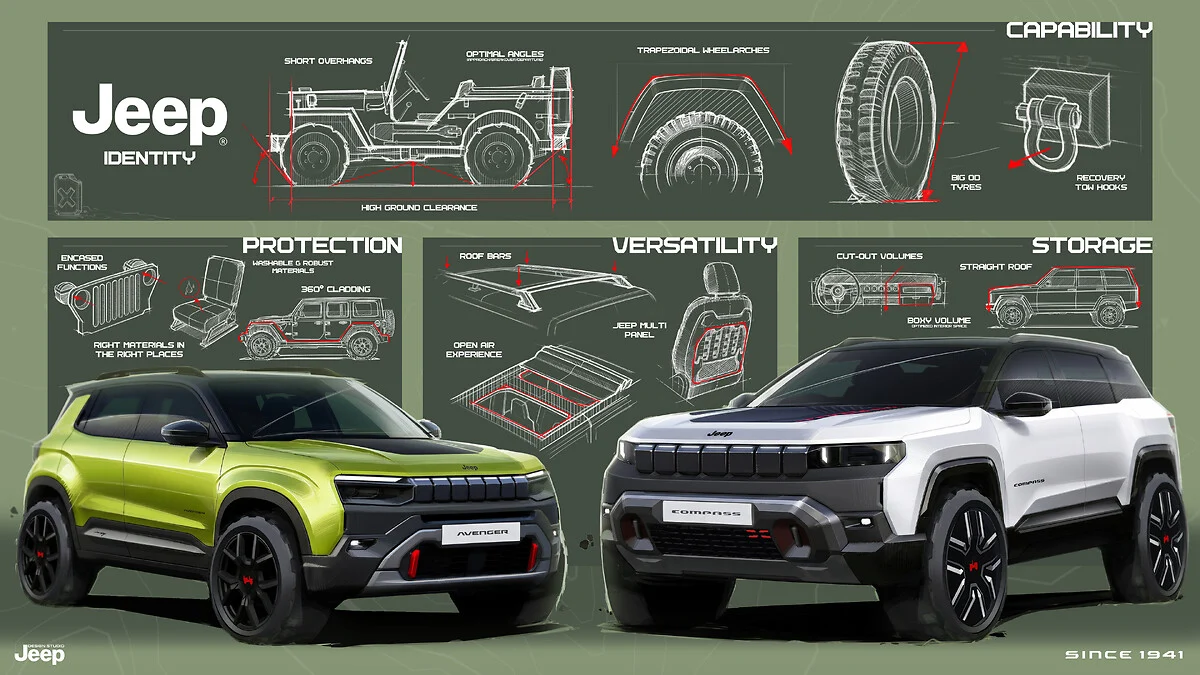




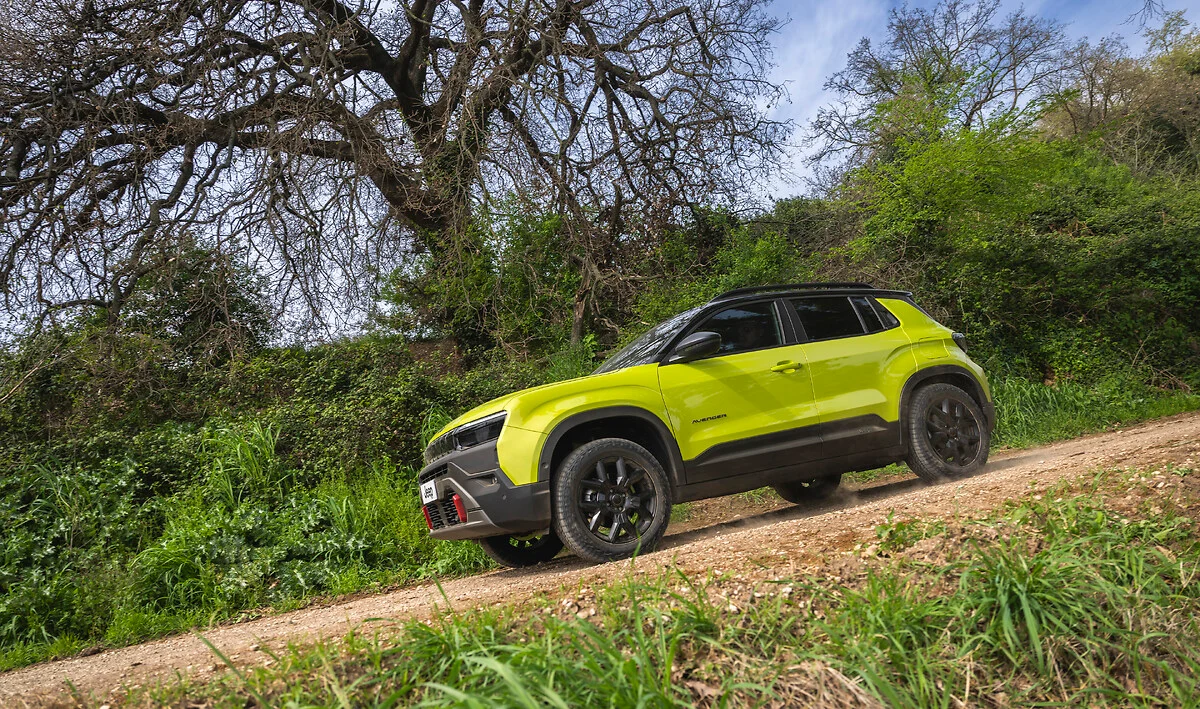
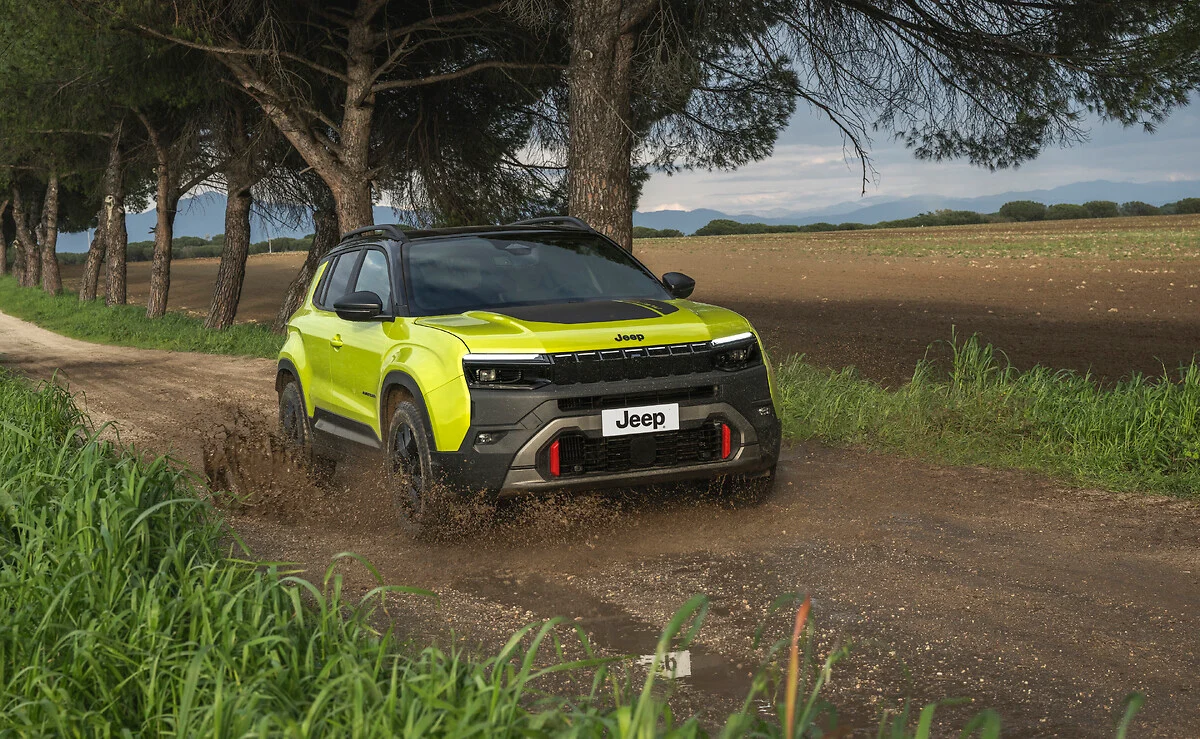
The US-based carmaker Jeep has recently updated the brand-new Avenger, the model bringing some important new features at the exterior, improved materials inside the cabin, as well as new powertrains and technology.
The Avenger has proved to be an important model for Jeep in Europe. The manufacturer says more than 290,000 orders have been recorded since its debut, making the latest update an evolution of an established product rather than an attempt to change direction.
Perhaps the biggest development is choice. A new turbocharged petrol version joins the e-Hybrid, fully electric and 4xe all-wheel-drive alternatives. That gives Jeep an unusually broad powertrain range in the compact SUV segment and allows buyers to select a version based on how and where they actually drive.
For urban customers with access to charging, the electric Avenger remains the obvious zero-emission option. The e-Hybrid provides an intermediate step for drivers who want electrification without having to plug in, while the conventional turbo petrol model lowers the technological barrier further. At the opposite end, the 4xe gives the Avenger a more traditional Jeep characteristic: all-wheel-drive capability.
The update is not limited to engines. Jeep has refreshed the exterior while improving materials inside the cabin, addressing an area that matters increasingly as small SUVs move further upmarket.
New equipment includes LED matrix headlights and a 360-degree front camera. Jeep has also introduced an updated Selec-Terrain system, reinforcing the Avenger’s positioning as more than simply a city crossover wearing the seven-slot grille.
The strategy is interesting because many manufacturers are simplifying their European ranges around one or two electrified powertrains. Jeep is moving in the other direction with the Avenger.
For buyers, that creates a straightforward advantage. Someone living in an apartment without reliable charging access does not have to reject the Avenger because it is electric-only. A commuter capable of charging at home can choose the EV, while drivers who want additional traction can move toward the 4xe.
It also gives Jeep some protection against rapidly changing demand. Europe’s transition toward electrification continues, but adoption rates and charging infrastructure vary considerably between markets.
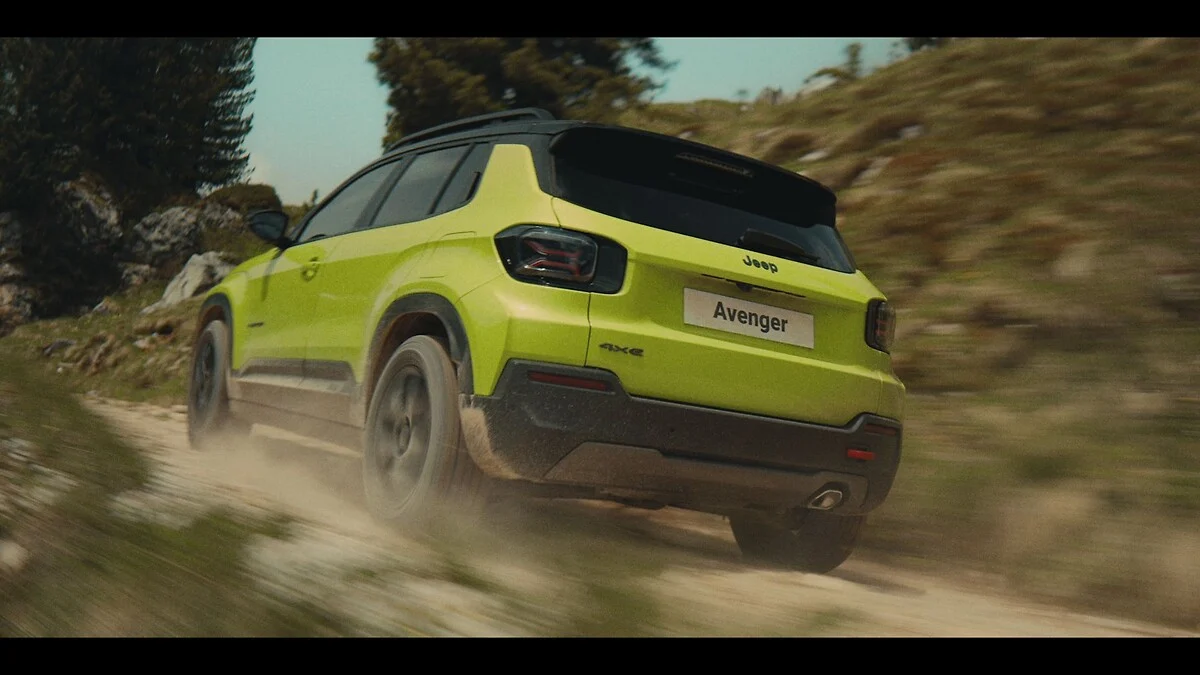
Rather than betting the Avenger’s success on one technology, Jeep is allowing several technologies to coexist in the same model family.
That may ultimately be the most important part of the 2026 update. The new Avenger is not trying to become a completely different vehicle. Jeep is widening the number of customers for whom its smallest SUV can make practical sense.
Orders for the updated model are already open in Europe.