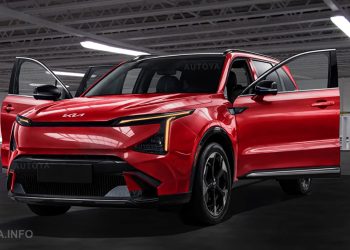




Lancia still moves forward with a narrow product line. Right now, the brand offers the new-generation Ypsilon and little else. Production for that five-door hatchback takes place in Zaragoza, Spain, and the model arrives with both internal-combustion and electric power choices. Underneath, the car uses Stellantis Common Modular architecture shared across a long list of compact relatives, including Fiat 600, Alfa Romeo Junior, Jeep Avenger, Opel and Vauxhall Corsa, Peugeot 208, and DS 3 Crossback.
Beyond Ypsilon, new projects sit in development. One registered name keeps drawing attention, Fulvia. Stellantis filed the badge with the European Union Intellectual Property Office, which pushed older discussions back into circulation.
The historic Fulvia stayed on sale from 1963 until 1976. Buyers once found three body formats, sedan, coupe, and fastback. Small gasoline V4 engines handled propulsion, paired with four-speed or five-speed manual gearboxes. Later in Lancia history, Beta and Trevi took over the role linked with Fulvia, though no official near-term return has been announced.
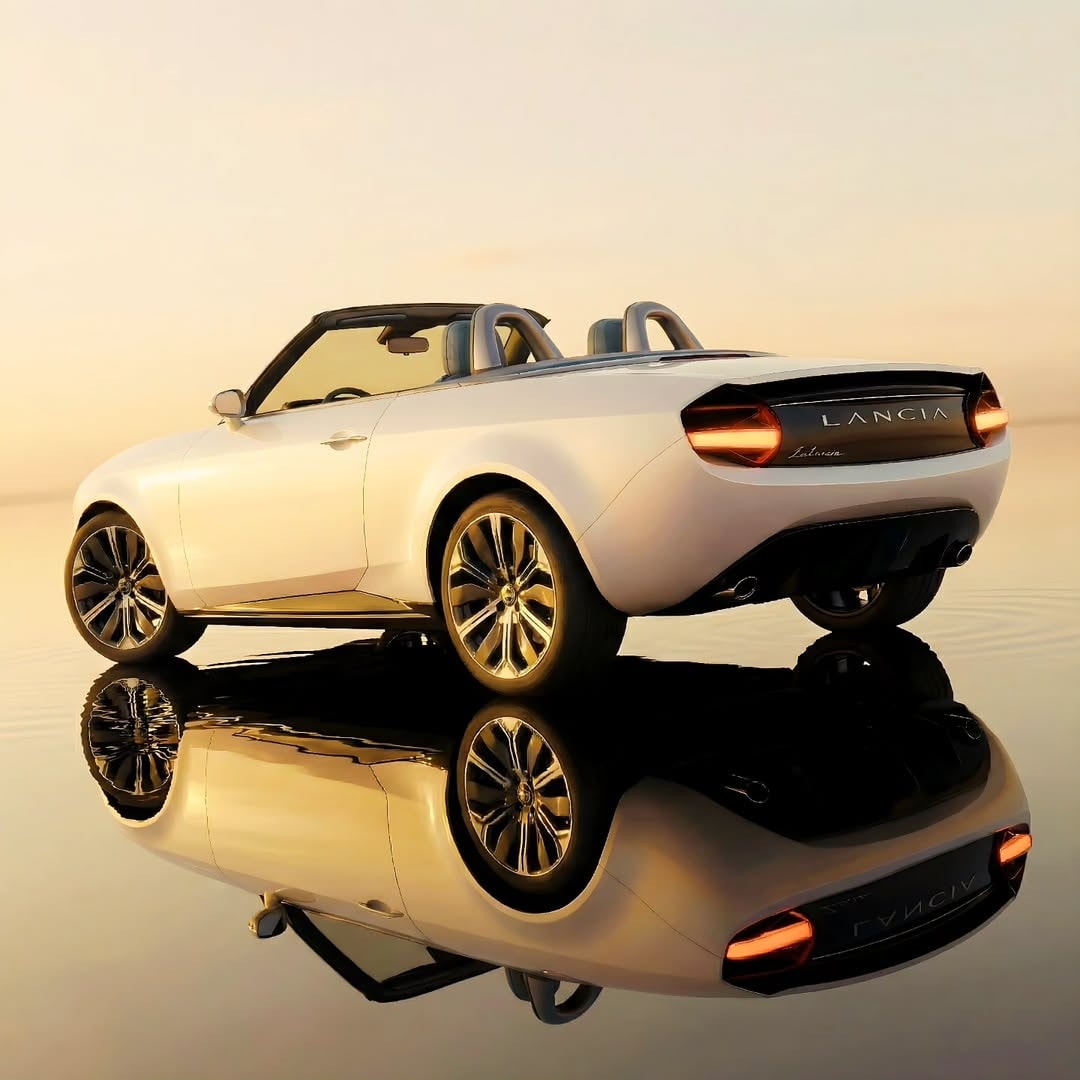
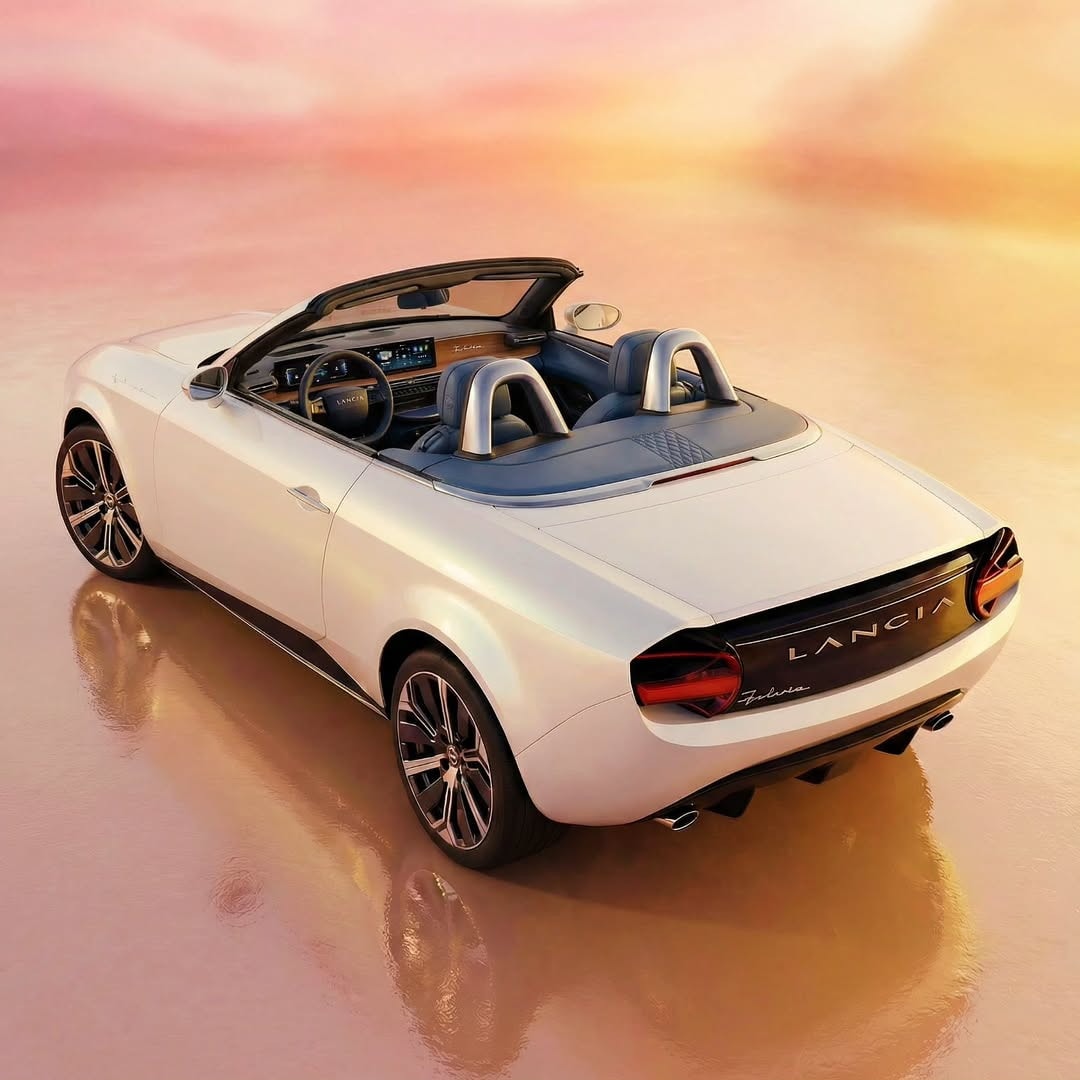
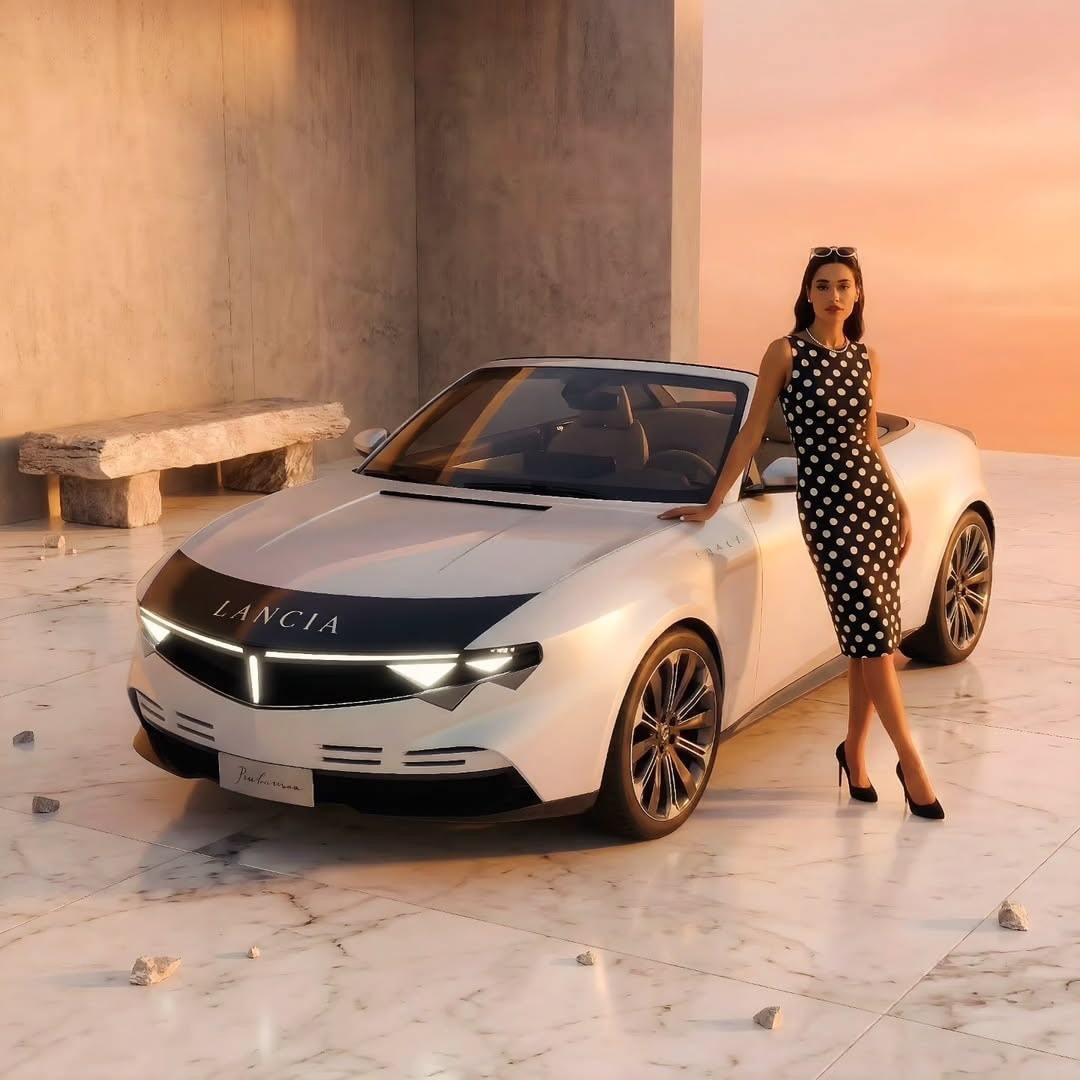
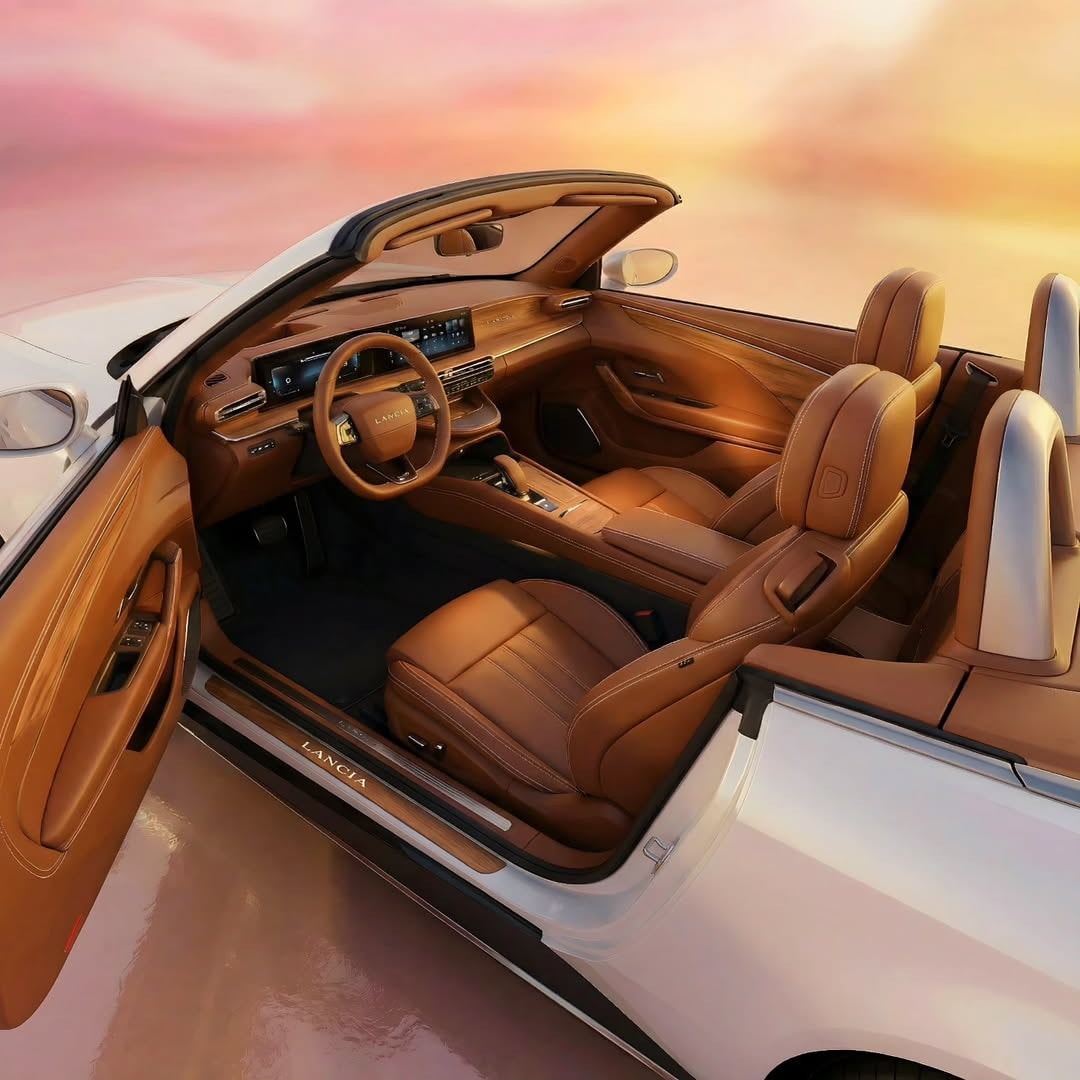
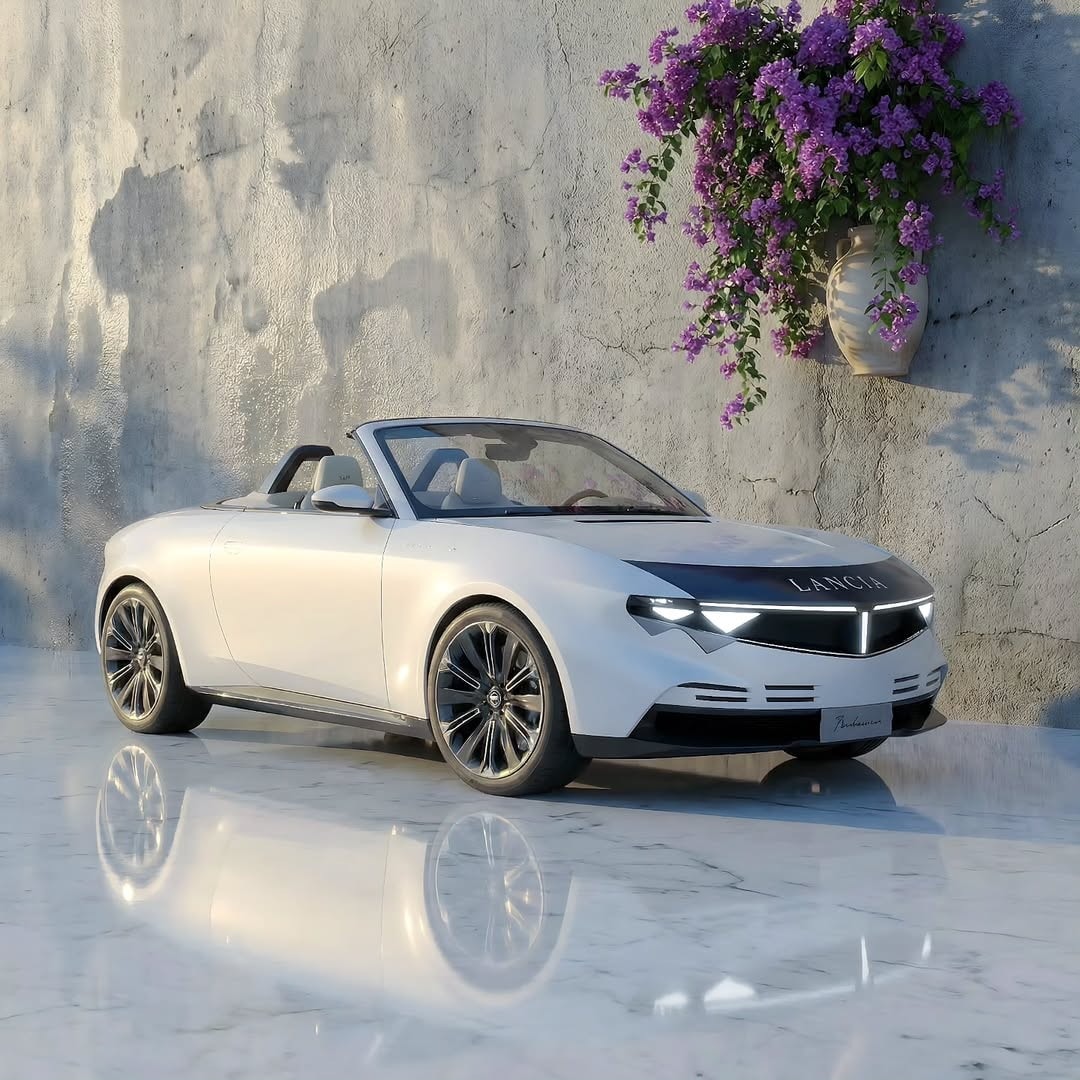
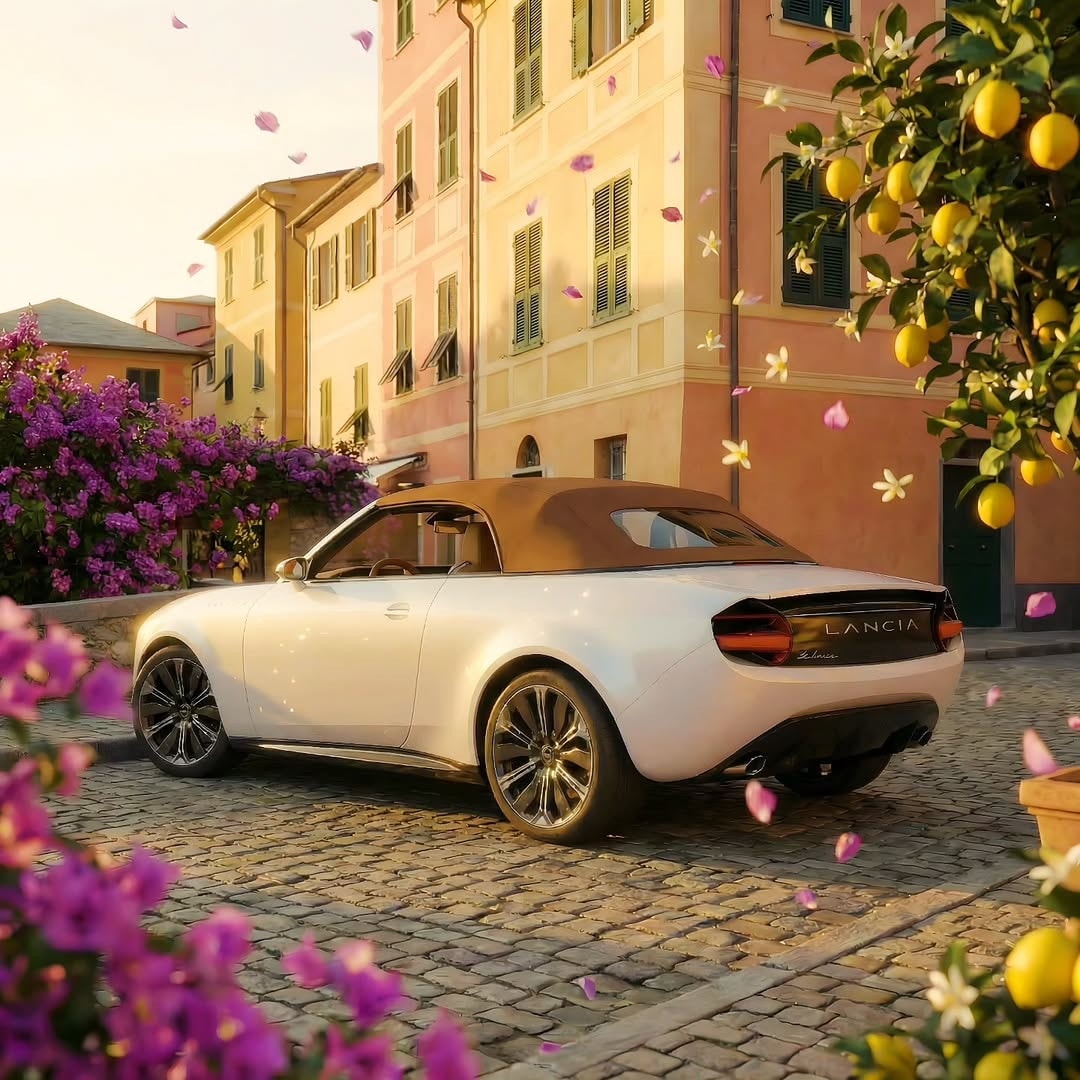
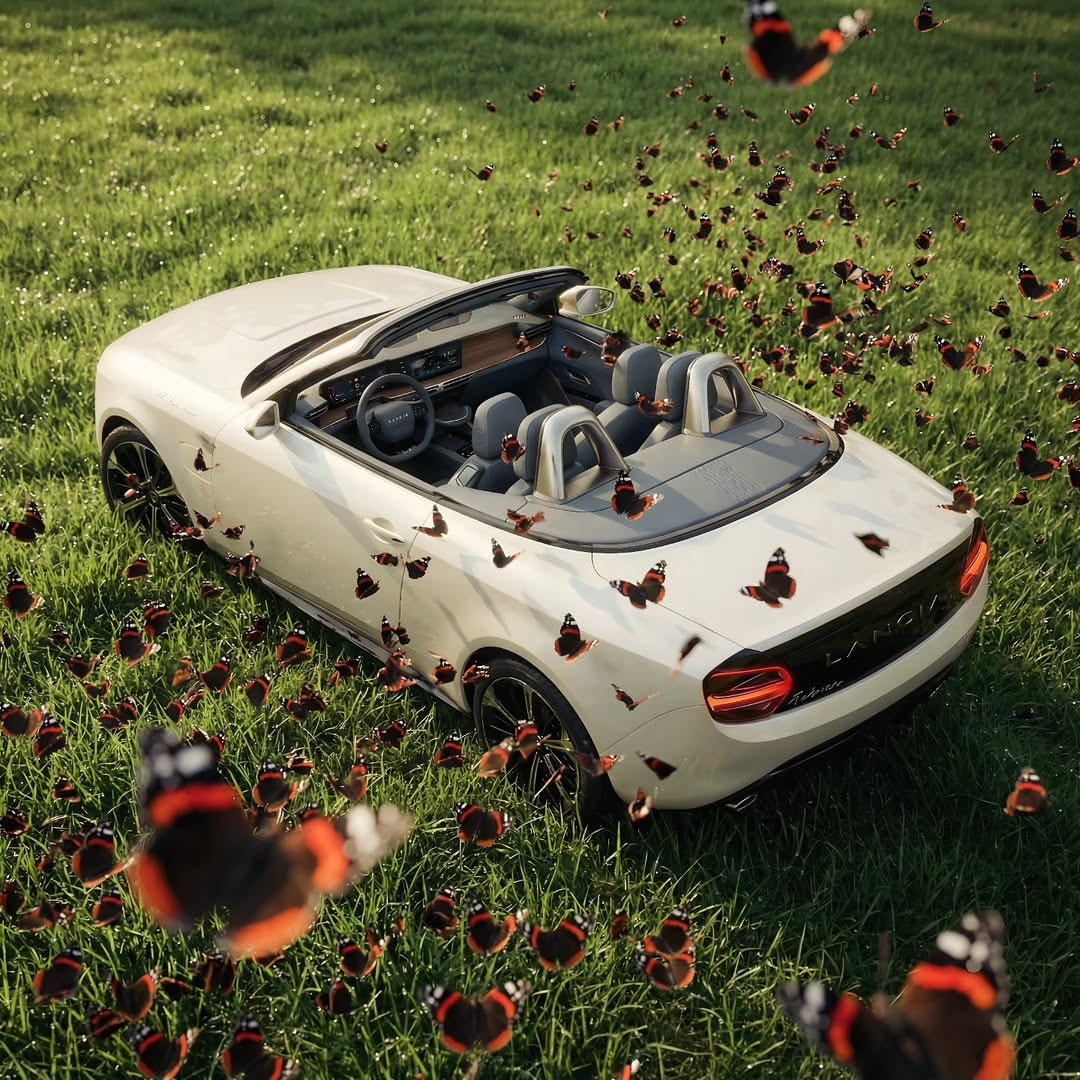
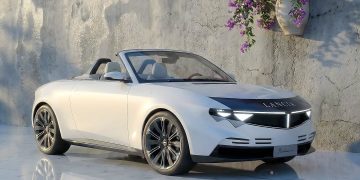
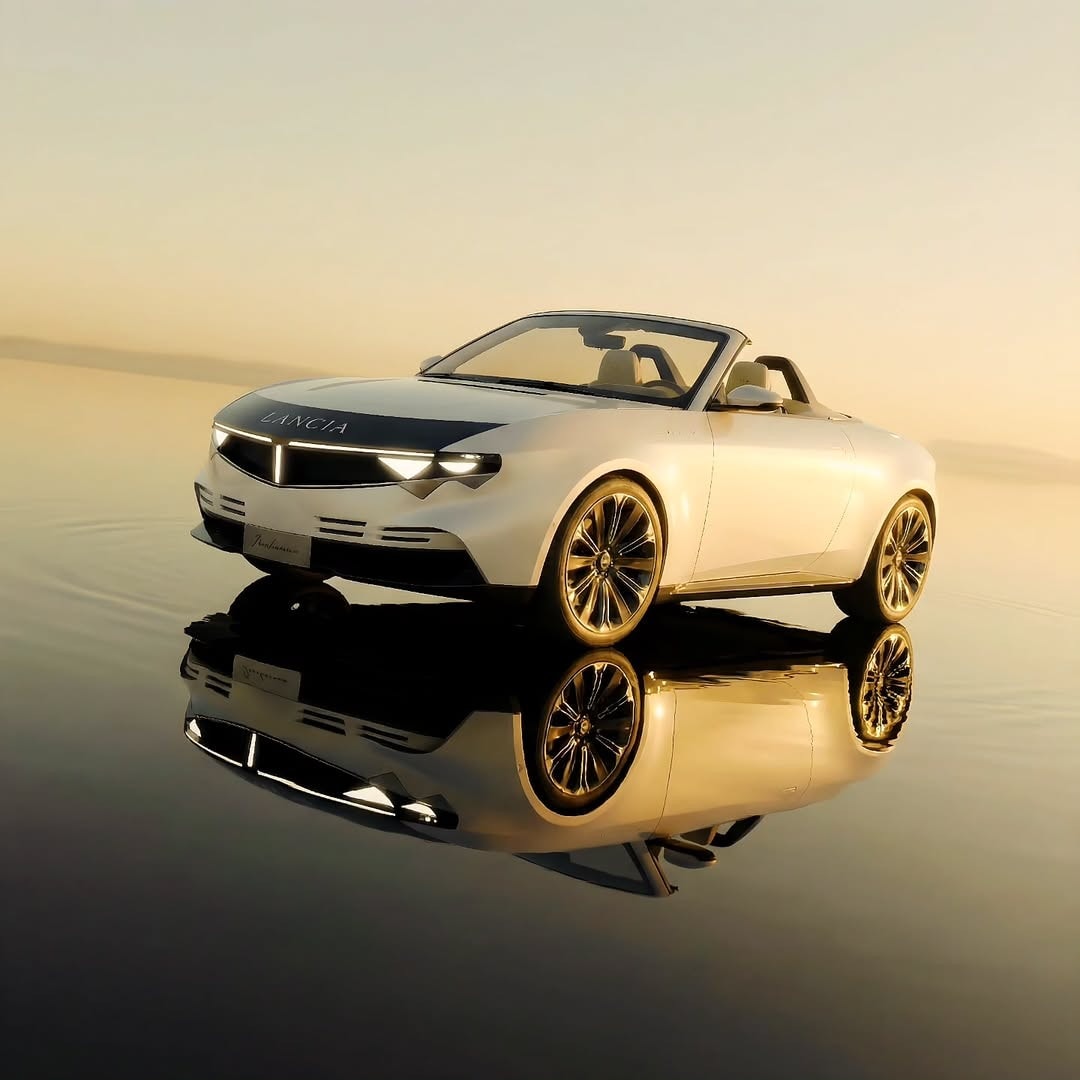
A fresh rendering now adds another angle to the discussion. Shared earlier this week through social media by @capriotti_cardesign, the digital proposal turns Fulvia into a compact open-top two-door roadster. The same designer described the result as “gorgeous” and attached another phrase, “timeless elegance meets open-air freedom.”
This concept does not hide modern references. The front section follows the visual direction introduced by Ypsilon, while the rear carries a cleaner shape and, frankly, lands better as a complete design. The front still feels unresolved in places. Not broken, no, though extra work would help before such a form reached any serious stage.
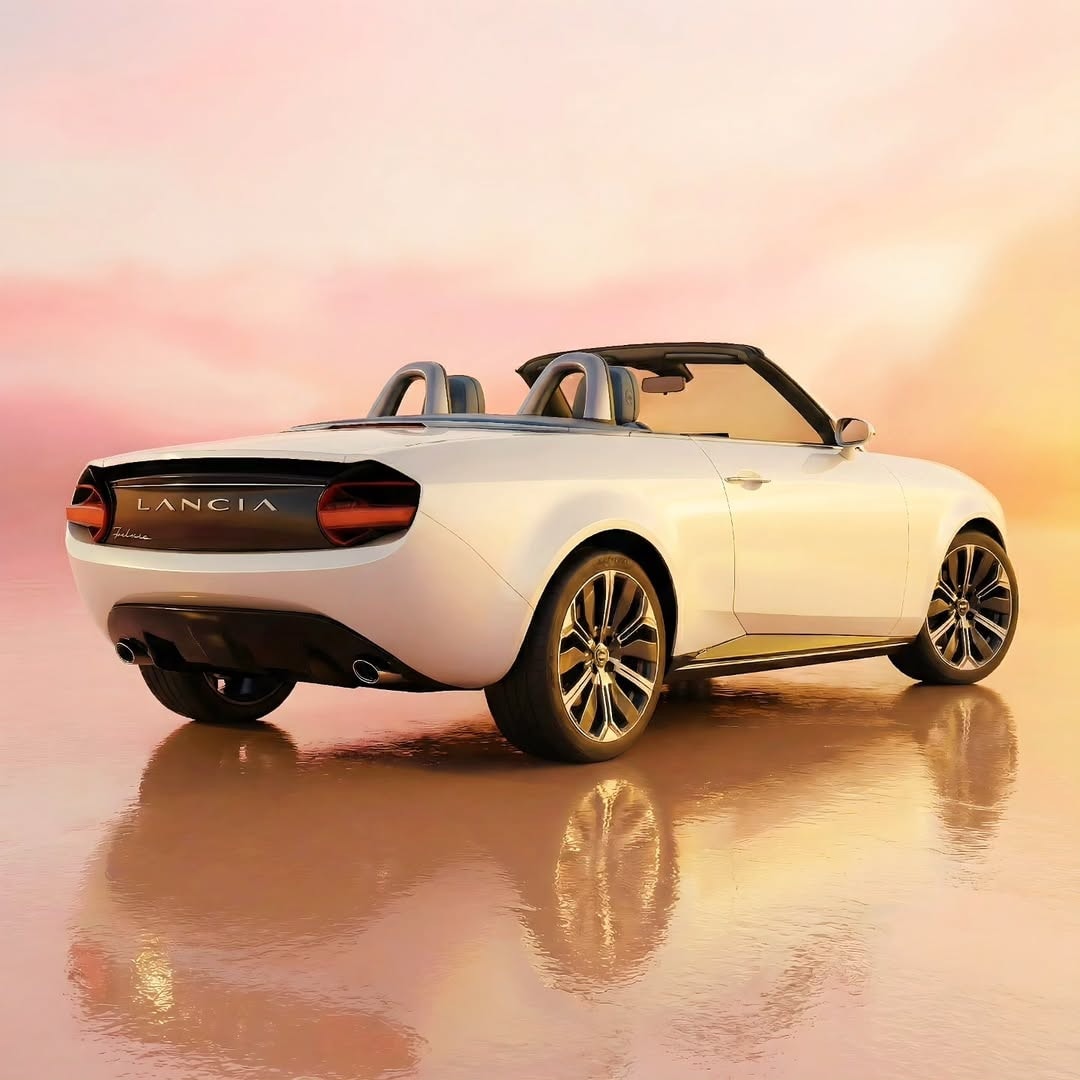
The roadster layout places the car near Mazda MX-5 territory in size and intent. That comparison appears natural once the roof disappears and the proportions settle into a short two-door body.
No official program supports such a car today. If Fulvia ever returns, shared Stellantis underpinnings would almost certainly define the project, because current brand strategy already leans in that direction across multiple compact vehicles.
One more thing stays clear when looking at this rendering. A car shaped like this asks for the right hardware underneath. A strong engine belongs there. Manual gear selection belongs there too. Rear-wheel-drive fits the same picture, and price would need careful control if Lancia wanted long-time enthusiasts to pay attention.
For now, the image exists on screen only. Still, the discussion around Fulvia refuses to fade.
Lancia Fulvia Roadster Renderings