



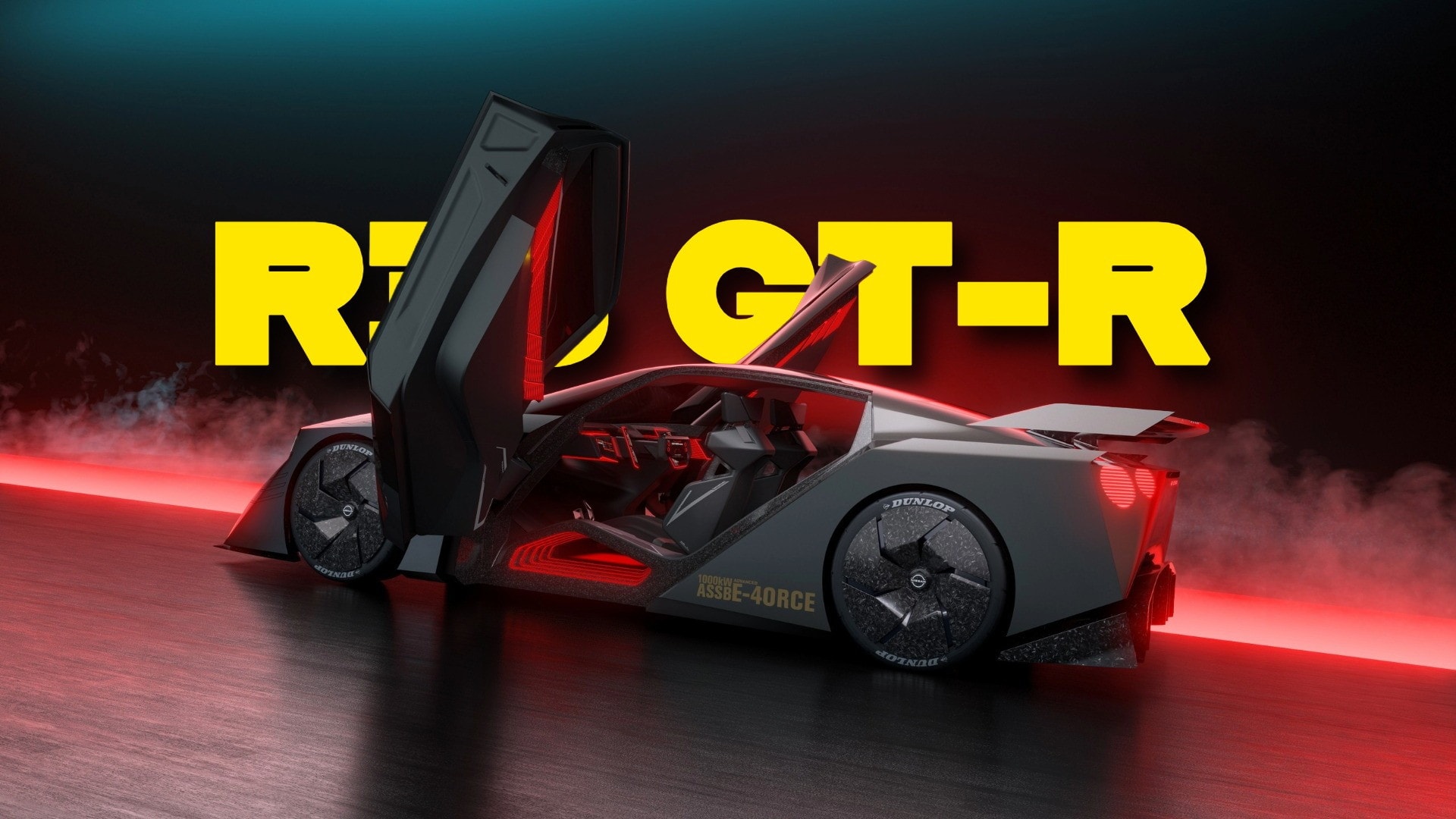
A fresh statement from Nissan adds weight to the future of the next Nissan GT-R. The project is active, and internal planning already points away from a full battery-electric route. During recent talks held at Nissan headquarters in Japan, company executives outlined where the next generation is heading and why one path has already been ruled out.
Richard Candler, global head of product strategy, linked his comments directly to the coming Nissan GT-R R36. He stated that pure electric sports cars have not found broad demand, saying, “electric sports cars haven’t been hugely popular,” then added another reason tied to current battery limits: “the current lithium chemistries are not capable of producing a GT-R-type product.”
Those two points explain why Nissan will not place the next GT-R into production as a full EV. Candler made the position even clearer later, using direct wording: “We’re not going to go with batteries in the next generation. No way.”
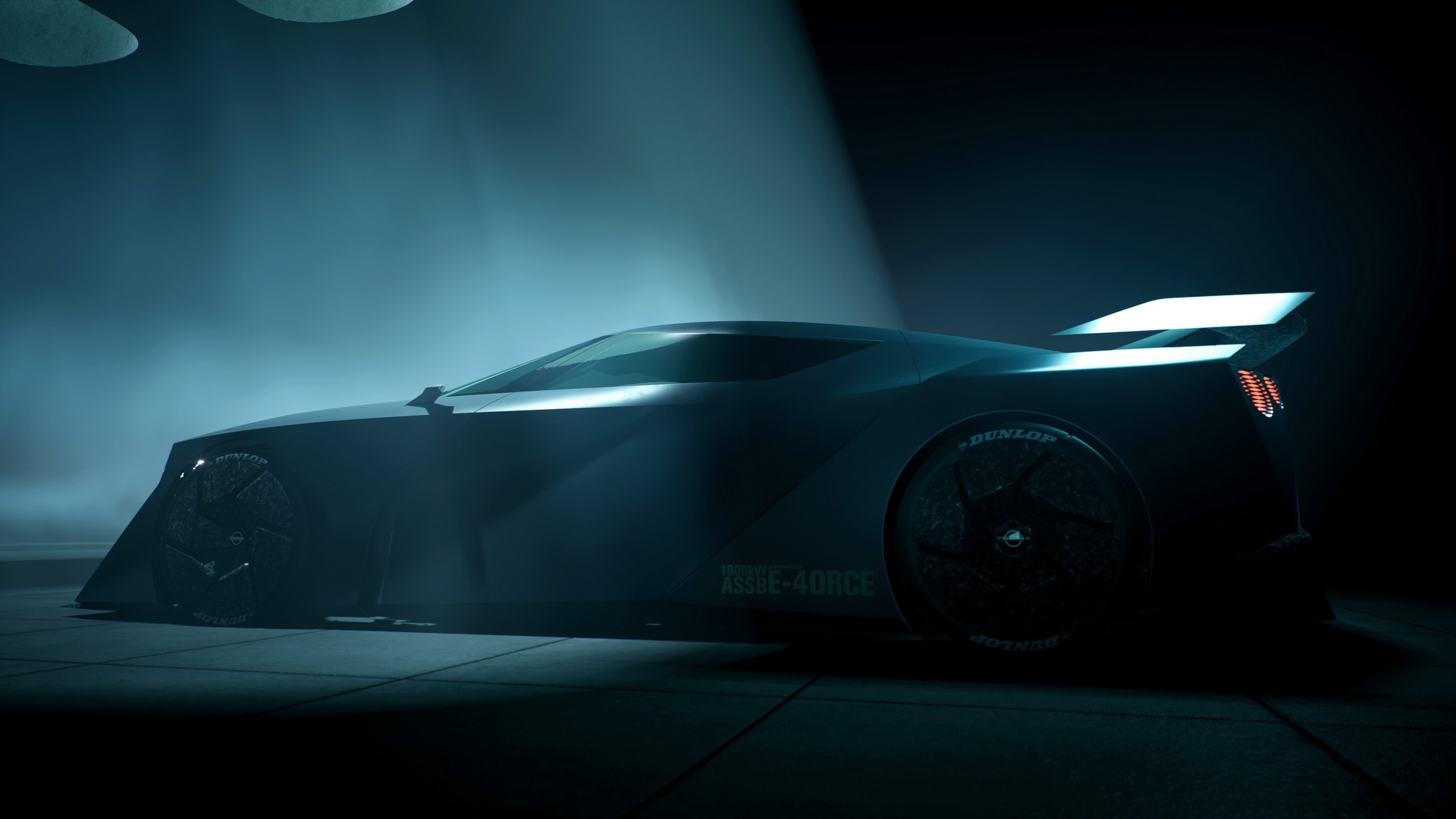
The next GT-R still faces emissions pressure, so electrification stays part of the engineering package. Candler said the car will “have to be electric because of emissions regulations at some level,” then continued with, “it’s just common sense that you would have a sense of electrification, but the battery’s a limiting factor.” In practical terms, Nissan points toward a hybrid layout rather than a battery-only setup.
Mechanical details remain incomplete, though the direction already looks familiar. A V6 sits at the center of the project. Internal discussion described front placement under the hood, with twin turbocharging expected around the engine. A new dual-clutch automatic gearbox is also planned, though Nissan has not attached a gear count yet.
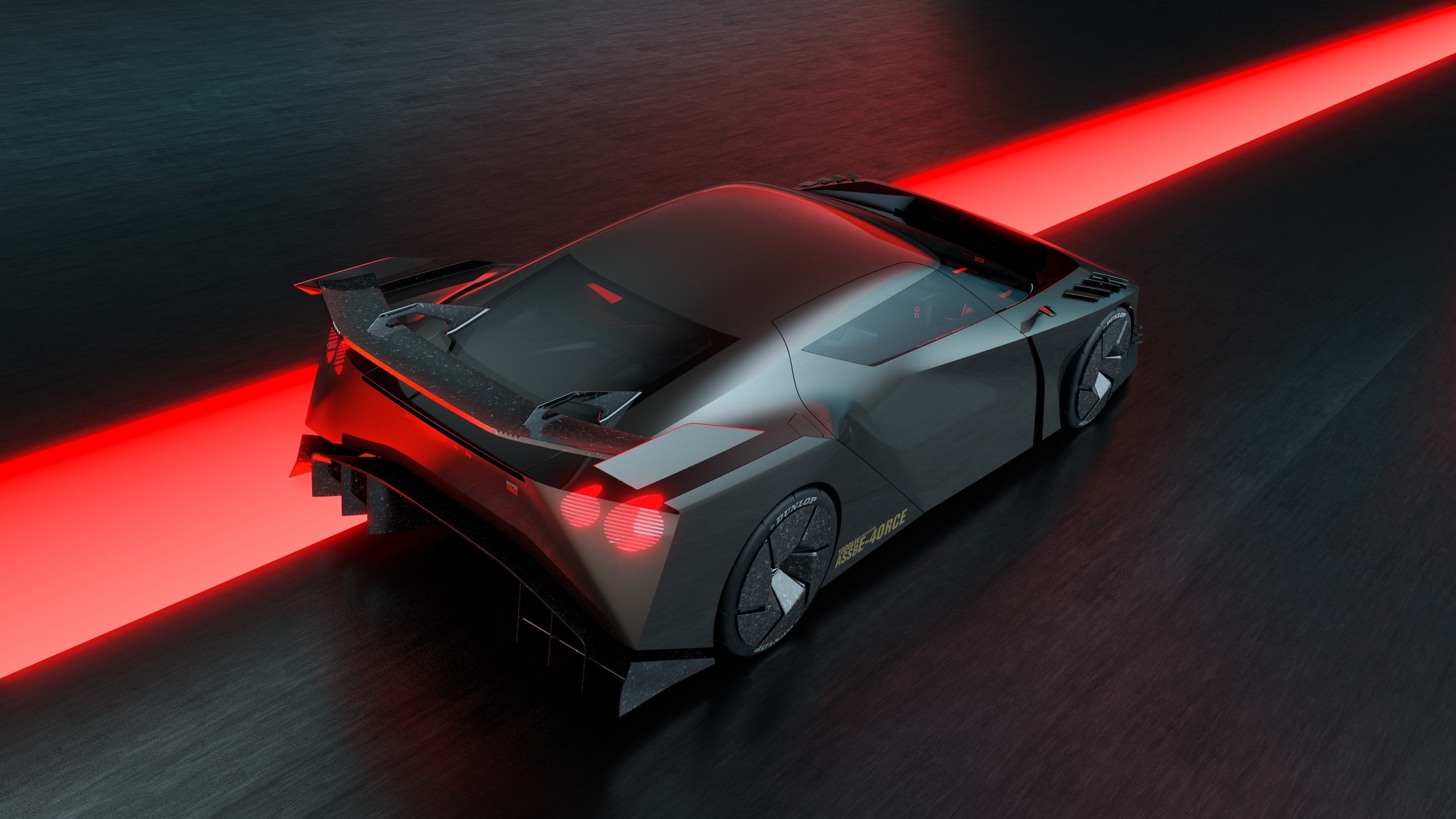
The company has not released output figures. What is known is simple: Nissan expects the next GT-R to deliver more than the outgoing generation. The previous model ended production last summer after leaving the assembly line.
Development work continues without a fixed public debut date, though reports tied to the project place the launch around the turn of the decade. Nissan still has several years before the next car reaches production form, which leaves room for technical adjustments before final approval.
Ivan Espinosa, Nissan’s chief executive officer, also addressed the model during recent interviews, confirming development continues. The company treats the GT-R as a core performance program rather than a closed chapter.
For now, Nissan has settled one major debate. The next GT-R will not arrive as a full electric flagship, and the hybrid route now stands as the direction under active preparation.